

Quick answer
IP65 describes a protection level for dust-tightness and resistance to low-pressure water jets; it does not mean the case can be submerged. “Crush-resistant,” “airtight” and “odor-proof” are design claims that depend on the specific model, a clean seal and full closure. “Child-resistant” is a tested status, so don’t assume it unless the listing clearly says so.
Compact storage cases tend to carry a stack of promises on a small label: water-resistant, crush-resistant, airtight, odor-proof, and sometimes “floats” or “child-safe” as well. Some of these words point to a defined test. Others describe what the maker designed the product to do. Knowing which is which helps you choose an everyday-carry case sensibly and use it within its limits.
What an IP65 rating covers
The IP code comes from the international standard IEC 60529. It uses two digits: the first covers solids such as dust, and the second covers water.
- 6 (first digit): dust-tight, meaning no dust gets in under the test conditions.
- 5 (second digit): protected against water jets sprayed from a small nozzle from any direction.
Immersion is covered by higher second digits. A 7 covers temporary immersion, tested at up to about one meter for 30 minutes, and an 8 covers immersion under conditions the manufacturer specifies. IP65 includes neither. For everyday carry, dust-tight matters more than it sounds: pockets and bags are full of lint, sand and crumbs, and a dust-tight seal keeps them away from what you’re carrying. Use the product within the maker’s stated conditions. Do not treat a protection code as permission to swim with the case or leave it submerged.
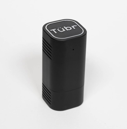
The Tübr Stash, a compact polycarbonate case sold for everyday carry, is a good example of reading this correctly: the brand lists it as IP65 water-resistant and describes that as protection against dust, rain and splashes.
See also: How Implementing Life Care Planning Services Enhances Patient Outcomes
“Waterproof” versus “water-resistant”
“Waterproof” is used loosely in product titles and ads. Unless the seller names a test, such as an IP rating with a 7 or 8 as the second digit, or a stated depth and time, read it as “water-resistant.” Even on a single brand’s site, a product title may say waterproof while the specification lists IP65. When the two disagree, rely on the specification.
Crush-resistant
There’s no single standard test for “crush-resistant” on consumer storage cases. Without a stated test and load, the phrase gives no precise pressure limit. Look at the maker’s explanation and avoid assuming it can tolerate being sat on or trapped beneath heavy gear. It doesn’t mean indestructible. “Resistant” is a weaker word than “proof,” and that’s usually deliberate. Look for rigid walls, a lid that seats firmly without flexing, and a clear description from the maker.
It also helps to think about how you carry the case. A rigid case in a front pocket faces different forces from one at the bottom of a packed backpack, and no design suits every situation.
Airtight and odor-proof
These claims come from the seal. On many compact cases, rubber O-rings compress as the case closes. How well that works depends on three things:
- the O-rings being clean and free of grit
- the case being closed fully, not just resting shut
- the rings being intact, without cracks or flattening
Even a good seal has limits. Aroma can sit on the outside of a case or on your hands, and it escapes whenever the case is opened. Unless a maker publishes a test method, read “odor-proof” as a design intention backed by the seal, not a measured result.
Floating
Some brands mention that their cases float. Whether a particular case floats depends on the model and on what’s inside it. Treat floating as a possible bonus, not a plan. Near water, clip the case to your bag or keep it in a zipped pocket.
Check child resistance separately
A tight seal does not establish child resistance. Look for a clear statement about the specific model and its testing rather than inferring it from a firm closure.
If a listing doesn’t explicitly say a case has been tested or certified as child-resistant, assume it hasn’t. The Stash product page makes no child-resistance claim. Keep anything unsuitable for children out of their reach, regardless of its container.
Red flags on a listing
A few patterns suggest a claim deserves a second look:
- “100% waterproof” with no rating or test named. A strong word with nothing behind it.
- A title that contradicts the specification, such as “waterproof” in the name and “water-resistant” in the details. Go with the details.
- “Child-safe” or “kid-proof” without a certification. These aren’t the same as tested child-resistant packaging.
- Reviews used as evidence. Customer comments are useful for feel and fit, but they aren’t tests.
- Claims that cover the whole range. Different models in one brand’s line can have different materials, ratings and features, so check the exact product you’re buying.
None of these means a product is bad. They mean you should read more carefully before relying on the claim.
A sensible check at home
1. Inspect the O-ring: clean, sitting in its groove, with no cracks.
2. Close the case firmly until it’s fully seated.
3. Follow any leak-check procedure supplied by the maker. A home check cannot verify an IP rating, and an untested case should not be trusted with valuables simply because it closes tightly.
4. Don’t submerge it. That’s outside what IP65 describes.
Read the label like a specification
A good label tells you what was tested and what was designed. IP65 is a defined protection classification with clear limits. A listing alone is not an independent test report. Crush-resistant, airtight and odor-proof are honest design claims when a maker uses them carefully, but they depend on a clean, intact seal. For child resistance, request evidence appropriate to the specific product instead of relying on marketing language.
Frequently asked questions
Can I take an IP65 case kayaking
It should handle spray, but it isn’t rated for immersion. Put it inside a dry bag or a zipped, tethered pocket.
What does “food-grade” mean on a storage case
It refers to a material considered suitable for contact with food. Tübr lists food-grade polycarbonate for several models. It describes the material, not every use of the case.
Do ratings and seals last forever
A rating describes the product as tested. In daily use, performance depends on the condition of the seal, so a dirty or damaged O-ring may not seal as it should.
Is a case with no IP rating less protective
Not necessarily. If no rating or relevant test report is supplied, read the maker’s description conservatively rather than assuming a particular protection level. A term such as weather-resistant does not, by itself, identify the conditions or test method. Ask for the specific evidence if that protection is important for what you intend to carry.