

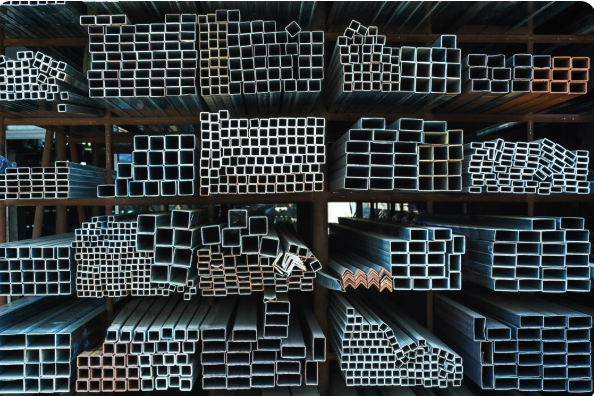
Steel manufacturing continues to be an important aspect of today’s industry for construction, transport, machines, and a myriad of other industries. Despite the fact that it involves considerable cost, steel manufacturing presents many business benefits. From product flexibility to reliable equipment, along with constant demand, one can develop a successful company through steel manufacturing.
A Wide Variety of Products
One of the biggest benefits that comes with the manufacturing of steel is the wide range of products that businesses are able to manufacture. Steel can be formed and treated to become sheets, beams, pipes, coils, plates, and special components, among others. This enables companies to supply customers in industries such as construction, automobiles, engineering, energy and manufacturing. Businesses can also manufacture speciality products to meet the demands of certain customers, such as noise barriers. The ability to produce different products provides a platform for companies to diversify their income sources and meet the needs of their clients.
Strong and Consistent Market Demand
Steel is very important in numerous essential industries; hence, this makes commercial demand steady. There is a demand for structural steel in construction works, there is a need for steel products by manufacturing firms, and there is a need for steel in many other areas of development. Commercial demands may also go up as a result of the investment in transport, buildings, and many industrial ventures by the government and organizations. The wide range of customers makes it possible for steel makers to create business relations with firms from different industries instead of focusing on a single market.
Easy Equipment Maintenance
Well-maintained machines are necessary to keep up with production deadlines; hence, it becomes an important aspect of business. Machines should be inspected, serviced, lubricated, replaced when required, and monitored to avoid any unforeseen problems. There are modern-day tools for machine monitoring that provide helpful information regarding machinery functioning. Businesses can invest in efficient remote vibration monitoring services that help detect unusual equipment behavior and support preventive maintenance strategies. Taking a proactive approach can reduce unplanned downtime, extend machinery lifespan, and make maintenance activities easier to schedule. Better equipment reliability also helps manufacturers maintain delivery commitments and avoid disruptions that could affect customer relationships.
Opportunities for Operational Efficiency
Modern steel mills can gain a lot from automation, advanced production techniques, and process-oriented systems. Automation helps machines handle routine work in a more efficient way while minimizing unnecessary human labor. Digital control systems for production also assist operators in tracking their output and detecting any inefficiencies in the production process. Energy use is another area where steel manufacturers can gain a lot since producing steel requires large quantities of electricity and fuel. Efficiently scheduling production, minimizing wastage, and saving energy could minimize costs while still generating consistent output.
Long-Term Growth and Scalability
Steel production is one avenue where companies could use their growth potential due to their capabilities as well as the growth of their customer base. The steel producer could start off with a narrower product line before expanding into other services such as fabrication and processing, as well as increasing its production capacity. The introduction of new technology could help in boosting production levels while improving efficiency and effectiveness in production. The firm could also consider venturing into other sectors or other geographical locations once it has sufficient production capability. Growth through scalability is particularly important once the firm has an efficient and effective quality control system and processes.
To summarize, the benefits of operating steel manufacturing industries include diversity of products, widespread market demand, efficiency, manageable maintenance issues, and possibilities for expansion in the future. But merely making steel is not enough for success. One needs to keep expenses low, have reliable equipment, know what customers want, and make improvements constantly. With good management skills and technologies, it is possible to lay down a solid basis for profitable business activities.