

Houston, Texas, is one of the nation’s largest metropolitan areas, with busy highways, active law enforcement agencies, and courts that handle a substantial volume of criminal cases each year. In a city where investigations can move quickly and arrests often follow rapidly developing situations, the methods used to gather evidence can become just as important as the allegations themselves. For individuals facing criminal charges, the question is what proof exists and whether that proof was obtained within the limits set by the Constitution.
Understanding how criminal defense attorneys challenge illegally obtained proof can provide valuable insight into the protections available to the accused and the role those protections play in maintaining fairness within the justice system. From disputes over searches and seizures to concerns about interrogations and digital privacy, these challenges often shape the direction of a case long before trial. Firms such as The Law Offices of Tad Nelson & Associates frequently handle matters in which the legality of evidence collection is a central issue requiring close legal scrutiny.
Local Context
In Harris County, suppression disputes often stem from roadside stops, hurried warrant requests, and poor handling of evidence. Experienced defense counsel scrutinizes each police decision for legal flaws because one improper act can damage the State’s case long before jurors hear opening statements.
Fourth Amendment Basics
The Fourth Amendment bars unreasonable searches and seizures by government officers. Defense lawyers ask what facts police had at the exact moment of a stop, frisk, arrest, or search. Later discoveries do not repair an earlier constitutional defect. Even a short gap in testimony can matter if it shows weak suspicion, a missing cause, or a seizure without lawful grounds.
Traffic Stops
Many prosecutions begin with a traffic stop that seems routine at first glance. Attorneys compare dash camera footage, dispatch audio, body camera video, and written reports for inconsistencies. A claimed lane violation may disappear on playback. If the initial detention lacked legal support, any drugs, weapons, statements, or phone evidence found afterward may become suppressed.
Warrants
Search warrants must rest on reliable facts, honest affidavits, and clear limits. Defense counsel reads the application line by line, then compares it with what officers actually did. Old information can weaken probable cause. The same applies to omitted details, false claims, or a search that extends into rooms, devices, or containers outside the warrant’s scope.
Consent Claims
Police often rely on consent when no warrant exists. Lawyers test whether that permission was voluntary, informed, and free from pressure, fear, or confusion. Tone matters here. Drawn weapons, repeated commands, late-night questioning, or unclear language can undermine a claim that someone freely agreed to let officers search a car, home, or bag.
Statements to Police
Physical evidence is only part of the picture in suppression work. Defense attorneys also challenge statements taken after coercive questioning, ignored silence, or denied access to counsel. Those issues can change a case quickly. A confession that appears powerful on paper may get excluded if police pushed past constitutional limits during interrogation.
Phones and Data
Modern cases often involve phones, location records, text messages, and social media activity. Attorneys examine how officers accessed that material and whether a warrant was necessary for each step. Digital searches have boundaries. If police exceed those limits, the court may suppress any data, screenshots, account records, or location history obtained from the accused.
Chain of Custody
Even lawfully seized proof can lose force through careless handling. Defense counsel tracks who collected an item, where it traveled, how it got stored, and when testing occurred. Missing signatures create doubt. Broken seals, mislabeled packaging, or unexplained gaps in possession can raise serious questions about identity, contamination, or tampering.
Forensic Review
Laboratory work may look precise, yet it still depends on human procedure. Attorneys review machine calibration, analyst training, contamination safeguards, and the methods used to reach a result. A weak process can reduce confidence. Breath tests, blood analysis, fingerprint comparison, and drug identification all become vulnerable when the underlying steps are incomplete or poorly documented.
Suppression Hearings
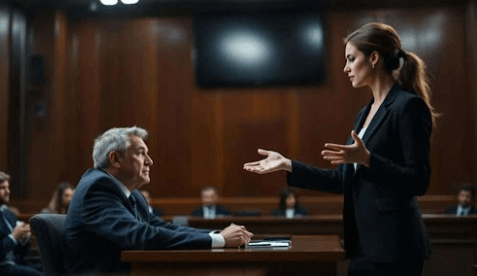
Suppression hearings turn these issues into live courtroom disputes. Defense attorneys question officers under oath, compare testimony with reports, and expose contradictions in timing, memory, or stated reasons. The government must justify its conduct. If that showing falls short, the judge may exclude disputed proof and reshape plea talks, trial strategy, or the case itself.
Conclusion
Challenging illegally obtained proof is disciplined legal work grounded in records, video, witness accounts, constitutional doctrine, and careful cross-examination. Defense attorneys do not rely on broad claims. They focus on exact moments, exact words, and exact choices made by police. When officers cut corners, suppression gives courts a direct remedy. In many cases, that ruling becomes the point where the prosecution’s theory starts to break apart.