

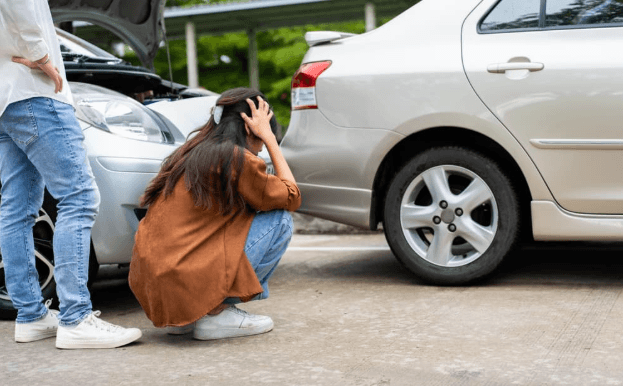
Fault after a crash is rarely settled by a single statement, a single photo, or a single police note. Attorneys piece together a timeline from road markings, vehicle damage, witness recollections, digital records, and traffic laws. Each item either supports or weakens the others. That method matters because insurers look for gaps. A claim gains force when the evidence shows which driver broke a rule, reacted late, or created the chain of impact.
First Steps
Time works against any crash case. Rain can wash away tire marks, tow crews clear debris, and camera footage may be erased within days. For that reason, Diaz Law personal injury lawyers in Mississippi often stress early preservation of the scene, vehicle positions, weather details, and driver statements. Quick collection helps attorneys judge speed, lane use, sight distance, signal timing, and braking before those facts become harder to verify.
Police Reports
Police reports often provide the first neutral account, even though they do not settle every dispute. Officers record road conditions, visible injuries, driver remarks, and the resting place of each vehicle. Many reports also mention citations or suspected impairment. Attorneys read those details with care. A note about following too closely, missing a stop sign, or turning across traffic can shape the entire liability analysis.
Scene Photos
Photographs often capture what memory cannot hold. Lawyers study broken glass, gouge marks, fluid trails, bent guardrails, and the angle of crushed metal. Those details help reconstruct movement before contact. Lighting also matters. A blocked sign, poor lane paint, or deep shadow near an intersection may affect how blame is assigned. Images taken early usually carry more value because the roadway changes quickly after emergency crews arrive.
Witness Accounts
Witnesses can help when drivers tell sharply different stories. Attorneys look for people who have a clear line of sight and no close ties to either side. A useful observer may recall a red light, a changing lane position, or a sudden turn without signaling. Lawyers compare each account against physical proof. Consistent remarks from neutral people often carry weight because they reduce the chance of self-serving revision later.
Electronic Proof
Traffic cameras, store systems, and doorbell devices may catch a full collision or one critical second before impact. Phone records can show texting activity near the time of the crash. Some vehicles store braking force, throttle input, steering angle, and seatbelt use. Attorneys use those records to test a driver’s account. A claim of hard braking looks weak if the data shows no real deceleration before contact.
Vehicle Damage
Damage patterns can speak with unusual clarity. Rear bumper collapse may support a following-distance claim, while side intrusion can show who entered an intersection against the flow of traffic. Attorneys examine scrape direction, paint transfer, wheel position, and crush depth. Those features reveal motion better than later recollections. Repair estimates also matter. Minor surface marks seldom match a story about violent speed, but frame distortion can suggest powerful force.
Expert Analysis
Some cases require expert review because the physical evidence is too technical for ordinary interpretation. Reconstruction specialists use measurements, roadway geometry, event data, and photographs to explain how a crash likely occurred. Medical experts may also connect injury patterns to body movements within the cabin. That can matter if a driver disputes the angle of impact. Well-supported expert opinions often help courts and insurers sort complex facts.
Shared Fault Rules
Fault is not always assigned to a single person. Many states reduce damages if the injured driver was also careless. Attorneys examine speed, signaling, lookout, and response time with care. Even a small mistake can affect recovery. Lawyers work to separate minor errors from the main cause. If one driver made an unsafe left turn, slightly delayed braking by another motorist may matter less.
Insurance Tactics
Insurers often try to narrow payments by questioning the timing, cause of injury, or driver conduct. Attorneys answer that pressure by building a simple, ordered narrative from the evidence. They show what happened first, what followed, and why the sequence points to a single primary cause. Medical records, repair invoices, and recorded statements support that account. Clear chronology matters because confusion gives adjusters room to dispute strong claims.
Conclusion
Proving fault in a car accident case requires disciplined collection, careful comparison, and a clear explanation of cause. Attorneys do more than repeat a client’s version of events. They test every account against records, images, witness remarks, damage patterns, and expert review. That process exposes weak stories and strengthens valid ones. When the evidence fits together without major conflict, insurers, judges, and juries are more likely to accept who caused the crash.