

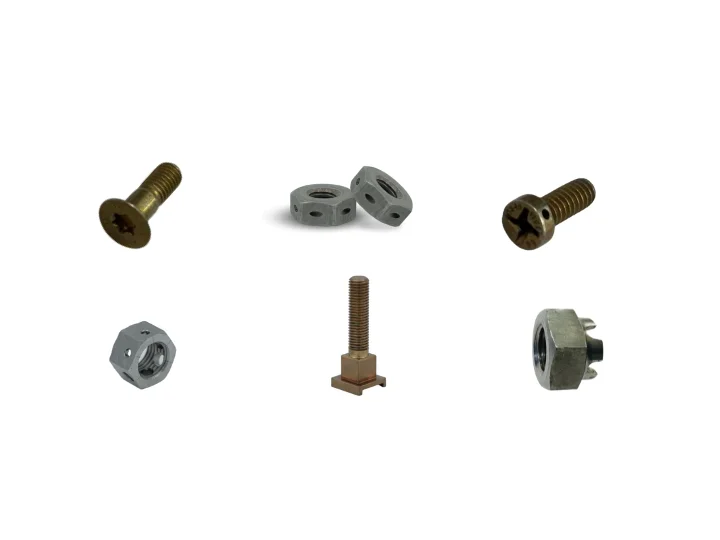
A bolt in a wing joint has to hold its preload through vibration, heat, and years of flight cycles. With parts like this, a missed drawing revision or an untraced material lot can hold up an entire program.
That is why price alone makes a weak basis for choosing an aerospace fastener manufacturer. A reliable source proves its quality, traceability, dimensional accuracy, and standards compliance with records you can check. The seven criteria below give you a practical way to test those claims before you place an order.
1. Aerospace Quality Certifications Backed by Audits
A quality certificate shows that an outside auditor has reviewed how a plant runs every day. AS9100D, the 2016 revision from SAE International, builds on ISO 9001:2015 and adds requirements written for aviation, space, and defense work. Here is why that matters. An accredited certification body has audited the plant against those requirements and returns for repeat audits.
At the same time, special processes need separate proof. Nadcap, which the Performance Review Institute manages, runs separate accreditation programs for processes such as heat treating and nondestructive testing. Ask which processes the accreditation covers, because a plant can hold it for one process and not another.
Keep in mind that requirements vary by program, and your contract terms decide what a supplier must hold. Ask for current certificates and read the scope wording closely. The International Aerospace Quality Group maintains an online database called OASIS that lists suppliers certified to the 9100 series. You can register and check a certificate’s status there.
See also: How Implementing Life Care Planning Services Enhances Patient Outcomes
2. Proven Ability to Build to NAS, MS, AN and AS Standards
A standard number on a purchase order only helps if the supplier can build to it. The Aerospace Industries Association develops and maintains National Aerospace Standards (NAS), which cover high-strength precision fasteners among other parts. MS parts follow military standards, and SAE International publishes the AS series. AN designations date back to World War II military hardware standards.
On paper, these families look separate, but they overlap. Working with the Department of Defense, AIA has converted more than 500 military specifications into NAS documents with an NASM or NAM prefix. Buyers still order those parts by their original MS part numbers.
So confirm early that the supplier works from the right document and revision. Match the drawing, dimensions, material callout, and finish against your program requirements. Does the supplier ask which revision you need, or does it simply send a price?
3. Material Control and Precision Machining Capability
A fastener can meet every dimension and still fail if the wrong material or heat treatment went into it. Look for aerospace-grade sourcing of the high-strength or corrosion-resistant alloys your parts call for, backed by matching mill certificates.
After that, look at how the plant forms and finishes each part.
- Precision machining and thread rolling control whether threads and tolerances stay within specification.
- Heat treatment sets strength and hardness, so ask whether the plant runs it in-house or sends it out.
- Plating and surface finishes add corrosion resistance, and the finish must match your drawing callout.
4. Traceability and Documentation for Every Lot
Aerospace buyers often need to prove where a part came from long after it ships. For that reason, good traceability links each lot to its raw material batch, its process records, and its inspection results. If a defect turns up years later, those links help you find every affected part.
A dependable supplier should send a clear document pack with each order:
- Material certificates should tie each lot to a specific raw material batch.
- Lot or batch numbers should appear on packaging and paperwork.
- Inspection records and a certificate of conformance should travel with each shipment.
- Process records should cover heat treatment, plating, and any other special steps.
5. Inspection and Testing at Each Production Stage
Final inspection alone can miss problems that began earlier in production. Plants that check parts at several points tend to catch dimensional drift before it spreads through a batch. Better still, documented checks give you evidence instead of verbal promises.
Put these questions to the supplier early:
- How does the plant inspect dimensions and threads, and which gauges does it use?
- Does it verify incoming material with chemical or mechanical tests?
- Which tests, such as tensile or hardness testing, does it run in-house?
- Is its testing lab accredited under a standard like ISO/IEC 17025?
- What does the final inspection record include?
6. Standard and Custom Aerospace Fasteners from One Source
Some programs run on catalog parts built to a published standard. Others need custom aerospace fasteners made from customer drawings, with unusual dimensions, special materials, or tight tolerances. A supplier that handles both can spare you from splitting one program across several vendors.
7. Supply Reliability and Experience with International Buyers
An aerospace fastener supplier with strong technical skills still falls short if parts arrive late or vary between lots. Repeat orders should match the first approved batch in dimensions, material, and paperwork. Clear communication also keeps small questions from turning into shipment delays.
Questions to Ask an Aerospace Fastener Manufacturer
Manufacturers that pair standards-based production with work from customer drawings can cover a wider range of program needs. UPS Lakshmi is one such source. It makes precision aerospace fasteners to NAS, MS, AN, and AS standards, plus custom parts built to customer drawings and specifications.
- Which Aerospace Standards Do You Currently Manufacture To?
A clear answer names the standard families and the recent part numbers the plant has built. Otherwise, a vague claim of covering every standard deserves a follow-up question.
- What Quality-Management Certifications Do You Hold, and What Does Their Scope Cover?
Expect names like AS9100 or ISO 9001, backed by current certificates you can review. The scope should cover fastener manufacturing, and any Nadcap listing should name the exact processes.
- How Do You Maintain Material and Lot Traceability?
A good answer links every lot to its raw material batch, process records, and inspection data. The supplier should show how it pulls those records for a past order.
- Can You Manufacture Components from Customer Drawings?
Listen for how the plant reviews drawings, revisions, and tolerances before it quotes. Examples of past custom work or prototype lots make the answer easier to trust.
- What Inspection Steps Run from Raw Material to Final Release?
Look for checks on incoming material, during production, and before shipment, each backed by a written record. Ideally, an accredited in-house lab runs the tests.
- Which Materials and Special Processes Can You Support In-House?
The supplier should list the alloys, heat treatment, plating, and testing it handles itself. Ask which steps go to outside vendors and how the plant oversees that work.
Using These Criteria to Compare Aerospace Fastener Suppliers
A reliable source earns that label through evidence you can check, not through promises in a sales pitch. Start with standards, capability, and certifications, then review materials, traceability, and inspection. Next, weigh how well the plant handles custom work and how steadily it fills repeat orders. Each criterion answers a different risk question, and together they give you a fair way to compare options. Finally, keep the records you gather during evaluation, since they help with future audits and reorders.