

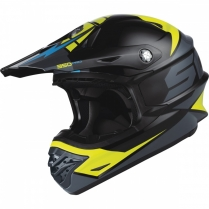
Picture a clear January morning, the thermometer on the cabin porch reading -30°C, and a sled that finally catches on the second pull. Most riders check fuel, track tension and the weather forecast before heading out. Very few stop to think about what that same cold is doing to the helmet sitting on the seat. Snowmobile helmets in Canada work in some of the harshest conditions any head protection will ever see, and it is worth a few minutes of reading to understand how they behave when the mercury drops that low.
Here is why this matters. Speed adds wind on top of the air temperature, and every part of your helmet reacts to the cold in its own way. That includes the shell, the foam, the padding and the seals. If you know what changes, and what probably doesn’t, you can choose, fit and care for snowmobile helmets in Canada with a lot more confidence.
How Wind Chill on Canadian Snowmobile Trails Changes the Numbers
A -30°C morning feels colder on a moving sled than it does on the porch. Ontario sets a 50 km/h maximum speed on snowmobile trails, though conditions often call for slower riding. Even at that pace, the air hitting your face is moving fast enough to pull heat away quickly.
Environment Canada is clear about the risk. Frostbite risk climbs quickly once wind chill values fall below -27. At a wind chill of -40, frostbite can set in within 10 minutes.
So where does the helmet fit in? Ontario’s official driver’s handbook notes that a face shield helps guard against windburn, frostbite, sun glare and watering eyes, and also keeps branches and twigs away from your eyes in wooded sections. A full-face snowmobile helmet does far more than protect you in a crash. On a cold day, it is also the main thing standing between your skin and the wind.
See also: How Implementing Life Care Planning Services Enhances Patient Outcomes
What -30°C Does to a Snowmobile Helmet Shell and Liner
This part surprises many riders. The U.S. DOT standard, FMVSS No. 218, conditions helmets for cold testing by holding them between -15°C and -5°C for 4 to 24 hours before impact tests. A -30°C day sits well below that range.
That does not mean a certified helmet stops working at -30°C. It simply means the standard tests are done in milder cold than many Canadian trail days, so taking a bit of extra care makes sense.
- Outer shell. Most plastics get stiffer as they get colder. A shell with an old crack or a deep gouge deserves a close look before a deep-cold ride.
- Impact foam. The foam liner protects you by crushing during an impact. Once it crushes, it doesn’t bounce back, even if the shell looks fine.
- Comfort padding. Cold padding feels firmer at first. A helmet can seem tight at the trailhead and then loosen slightly as it warms from your head.
- Shield seals and hinges. Rubber gaskets stiffen in deep cold, so a shield may not seal as snugly. Pivot points can feel stiff or sticky.
When did you last check your chin strap buckle after a really cold ride? It is a small part, and it is easy to forget until it jams with ice.
Fitting Snowmobile Helmets for Cold-Weather Layers
Fit changes in winter, perhaps more than riders expect. A helmet that feels right in a warm store can press on your forehead after an hour with a neck tube pulled up under it.
Try your helmet on with the exact face and neck layers you plan to ride in. The helmet should sit level, without rocking forward or side to side. Your cheeks should feel gently held, not squeezed.
The chin strap matters here too, and not only for safety. Under Ontario’s Motorized Snow Vehicles Act, drivers and riders, including anyone on a towed sled or toboggan, must wear a helmet that meets the regulations with the chin strap fastened securely under the chin. Bulky layers under the chin can make that harder, so check the strap with everything on.
Planning a Helmet Routine Around Deep Cold
Next steps. A few small habits make a real difference on those -30°C mornings:
- Store the helmet indoors overnight. A room-temperature helmet feels more comfortable when you put it on, and the padding fits closer to how it did when you sized it.
- Dry the liner slowly. Let sweat and melted snow air-dry. Keep the helmet away from wood stoves and heaters, since strong direct heat can harm foam and glue.
- Match the shield tint to the light. Ontario’s handbook suggests clear shields for dull, cloudy days and deep yellow for late afternoon, when flat light can hide dips in the snow.
Taken Together
Big cold changes how helmet materials feel and behave, and it shortens the time exposed skin can safely handle the wind. A certified, well-fitted helmet, stored warm and checked often, gives you a solid footing for long days on Canadian trails. A little planning before the season makes those -30°C mornings far more comfortable.