

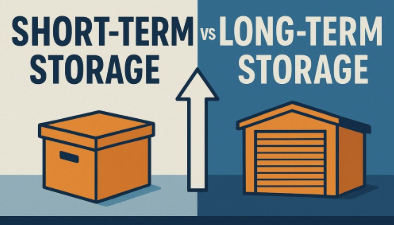
Whether you’re moving, renovating your home, or just sick of clutter, using a storage unit can help keep your belongings accessible and organized. However, not all storage options are the same. Short-term and long-term storage serve very different purposes. So how can you tell which one fits your needs? Read on to find out, as this article examines different types of storage options.
What Short-Term Storage Is Really For
While a highly skilled planner may have what it takes to align their moving schedules perfectly, life has a habit of getting in the way of even the best of plans. A storage unit can ease the pressure of perfect planning by helping you store your belongings in a separate location that can be accessed on your terms, not a plan dictated by mover or renovator schedules.
Short-term storage in particular is handy for those moving between apartments, staging a home for sale, or dealing with a temporary work relocation. This is thanks to the flexibility in storage terms, all without the big commitment of longer storage plans. It can be easy to overthink just how long you’ll need to keep everything stored. But if all you need is to tuck things away for a few weeks or months, a short-term storage plan will fit your needs.
When Long-Term Storage Becomes the Better Option
Whether you are downsizing homes or live in an area where small apartments are the norm, it can be hard to decide on what stays with you and what has to go. With a storage unit, this decision becomes much easier since you can opt to store items rather than permanently get rid of them.
Especially if you have seasonal items, inherited furniture, business inventory, or are going through a life transition like extended travel, long-term storage can be a great fit. Long-term storage is less about convenience and more about cost efficiency and keeping clutter out of small living spaces. These situations tend to feel more permanent and require more than a quick-fix plan.
Cost Differences People Don’t Always Consider
It can be tempting to simply look at pricing and pick the cheapest option, but in the long run, this may be a bit misleading. If you are looking for an option that you only plan to use for a short period of time and not go back once your moving plans have solidified, picking a cheap short-term storage plan can definitely work in your favor. However, for longer commitments, it’s worth taking a closer look at the different options available. Different monthly rates, potential discounts, and hidden costs like moving trucks and services are all factors to consider when selecting the right plan for you.
If you’re still debating which option is the best for your storage needs, here are a few questions to consider while you mull it over:
- How often will I need to access these items?
- Am I storing items that need a climate-controlled unit?
- What’s my realistic storage timeline, not just my ideal one?
How to Decide What Makes Sense for You
Take the time to sit down and think about your timeline, what type of items you want to store, your frequency of access to items, and your budget before you settle on a specific plan. Be methodical and practical in your approach, but be sure not to let yourself get overwhelmed in the process. A great way to organize your thoughts is to make a quick checklist of everything you are looking for. This way, you’ll have a visual plan for understanding your storage needs.