

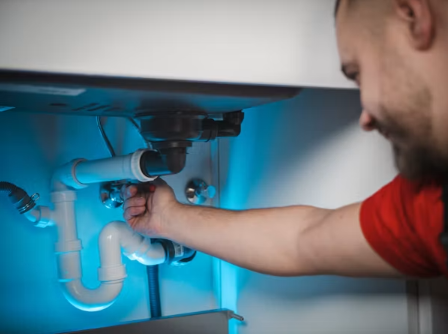
Most plumbing problems start small. A slow drain, a damp cabinet floor, a water heater that takes longer to recover. The trouble is that these small signs rarely stay small, and the point where a homeowner should call a plumber often passes quietly while the real issue keeps deteriorating behind the walls.
That gap between a quick repair and a lasting solution is where a licensed plumber changes the outcome, because an accurate diagnosis turns guesswork into a plan with clear costs attached. Instead of patching the same fitting every spring, you learn what the system needs now and what it will need in a few years.
When Repeat Repairs Point toward a Bigger Plumbing Decision
Three Service Calls in One Year Signal a System Problem: Repeated repairs in the same home usually mean the plumbing system has reached the end of its service life. One failure is an event. Three failures across different fixtures in a single year point to shared age and the same water conditions working on every line in the house, from the main supply to the last fixture.
What Waiting Costs beyond the Repair Bill: Delay narrows the options of repair. A pinhole leak that could have been handled in an hour becomes a wall repair with drying equipment running for days. In everyday service work, plumbers routinely find homes where the same joint was patched several times before anyone tested the line it belonged to, and by then replacement is the only honest answer.
See also: How Implementing Life Care Planning Services Enhances Patient Outcomes
What Inspection and Testing Reveal before the Money Gets Spent
A Camera and a Gauge Settle the Question: Diagnosis replaces opinion with evidence. A camera inspection shows the true condition of a sewer line, and a gauge reading across the house reveals whether water pressure regulation has failed and is stressing every fixture and appliance connection. Testing also separates a local fault from a whole-system problem, which changes the size of the job.
Plain Language Beats a Technical Lecture: Findings only help when the homeowner understands them. A good technician shows the photos, points to the corrosion or the root intrusion, and explains in ordinary words what each option fixes. Flat-rate pricing then puts a number beside every choice before work starts, so the decision stays with the homeowner.
Repair, Replacement, or Upgrade and How the Choice Gets Made
Repair Makes Sense when the Rest of the System Is Sound: Repair is the right call when the failure is isolated and the surrounding pipe still has years left. A burst supply line or a failed shutoff valve can be corrected quickly, and a skilled plumber will say so plainly instead of selling a project the house does not need. Repairs on aging galvanized pipes mostly take their own time.
Replacement Wins Once Failures Start Overlapping: Replacement becomes the better value once the cost of repeated visits approaches the cost of a new pipe installation. Repiping a house ends the cycle in a few days and restores full flow to every fixture, while a new water heater removes the daily risk of a tank that has passed its expected service life of roughly eight to twelve years.
Whole-Home Water Work That Protects Everything behind the Walls
Hard Water Is a Phoenix Problem with a Mechanical Answer: Scale is the reason Phoenix homes lose water heater capacity and fixture flow years earlier than homes on softer water. A softener reduces the mineral load reaching the plumbing, and a filtration or reverse osmosis system handles taste and sediment at the point of use. Both protect equipment that is costly to replace.
Slab Leaks and Emergencies Call for a Different Response: A slab leak hides under concrete and announces itself as a warm patch of floor or a water meter that never stops turning. Electronic leak detection locates the break before demolition begins, which limits moisture intrusion into flooring and drywall. Emergency service matters here, since a line under the slab does not wait for business hours.
The Long View on Pipes and Water Quality
Planned Work Costs Less than Emergency Work: Scheduled replacement is almost always cheaper than the same work done at midnight during a flood. Planning also lets a household spread projects across seasons, handling the water heater this year and the repipe next year. A plan turns a series of emergencies into a schedule, and financing works better when nothing is flooding.
Maintenance Keeps the Plan on Track: Annual inspection catches small faults while they remain small. A yearly look at the water heater and the main shutoff valve tells a plumber how the system is aging, which makes the next recommendation an informed one. Homes on maintenance plans face fewer surprise failures, because wear gets recorded instead of discovered.
Signs Your Plumbing Has Moved past a Simple Fix
Symptoms That Deserve a Full Assessment: Some symptoms call for a full assessment instead of another patch. A licensed plumber can confirm which of these signs point to a system-wide issue and which stay local, and the list below covers what most Phoenix homeowners notice first. Any two of them appearing together usually justify a full inspection instead of another repair.
- Water that runs rusty after sitting unused points to corrosion inside the supply lines.
- Drains slowing in several rooms at once usually indicates a main line blockage.
- A water heater that rumbles or leaves rust in the drain pan is failing.
- Damp baseboards or a warm patch of floor can indicate a leak beneath the slab.
- Low pressure across the whole house suggests a supply or regulator fault.
- The same section of pipe repaired twice in two years means the pipe is the problem.
Building a Plan That Keeps Water Where It Belongs
A home with a documented plumbing plan is calmer to live in, and the water stays where it belongs. Every season of waiting removes an option and raises the price of the eventual repair. Schedule an inspection while the choice is still yours to make and book a plumbing assessment.