

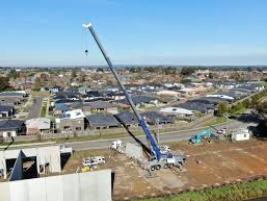
Sydney projects often change shape as the work moves forward. A street that was clear last week may have traffic control this week. A building site may lose storage space once materials arrive. A lift that looked simple during planning may suddenly need a different crane position.
This is where mobile crane hire Sydney can be useful. Mobile cranes give project teams more flexibility when access is limited, work areas keep shifting, and the site cannot support fixed lifting equipment for long periods.
Tight Access Needs More Than a Smaller Crane
When people think about tight access, they often assume the answer is simply a smaller crane. Sometimes it is. But access is not only about size. It is about turning space, setup room, reach, ground support, load path, and how the crane will leave once the lift is finished.
A mobile crane can suit tight sites because it can arrive, set up, complete the lift, and move out without needing a permanent structure in place. That makes it useful for city projects, small commercial jobs, residential builds, plant lifts, and maintenance work.
The right crane choice depends on these details. A compact mobile slewing crane may suit one job. A Franna may be better for moving loads around a site. An all-terrain crane may be needed when reach, height, or ground conditions become more demanding.
Tight access does not mean the job should feel improvised. It means the planning needs to be more precise.
Mobile Cranes Help When the Site Keeps Changing
Some lifting jobs happen on stable, open sites. Many do not. Construction areas change every day. Scaffolding goes up. Excavations open. Materials are delivered. Temporary fencing moves. One trade finishes and another takes over the same space.
Mobile cranes are useful in these conditions because they can support different stages of work without staying locked into one location. A project may need a crane for steel installation one day, equipment placement another day, and materials handling later in the program.
This flexibility helps with jobs such as:
- Lifting building materials into tight areas
- Placing mechanical units on rooftops
- Moving site equipment between work zones
- Supporting short-notice maintenance tasks
- Handling staged construction deliveries
- Working around shifting access points
The benefit is not only movement. It is timing. A mobile crane can often be brought in for the lift window and removed once the task is done. That keeps valuable site space available for other work.
For Sydney projects, where space is often limited and schedules are packed, that can make a real difference. The crane supports the job without taking over the site.
Good Planning Still Decides the Result
Mobile cranes are flexible, but they are not magic. The lift still needs proper planning. A crane cannot safely work from poor ground, guess the load weight, or operate without a controlled lift zone.
The project team should give the crane provider enough information to choose the right equipment. Photos, measurements, site access notes, and load details all help. If the site is unusual, a site inspection may be useful before the booking is confirmed.
Good mobile crane planning should cover:
- Crane setup position
- Load weight and radius
- Travel path through the site
- Wind and weather risks
- Nearby structures or services
- Communication between the crew and site supervisor
The lift should also be timed carefully. On tight sites, crane work can affect deliveries, trades, traffic management, and access for other vehicles. Booking the crane without considering the rest of the day can cause unnecessary stress.
A well-planned mobile crane lift feels organised. The crane arrives with a clear purpose. The crew understands the site. The load is ready. Other workers know where they should be. That is when mobile crane flexibility really pays off.
Conclusion
Mobile cranes suit tight access and changing project sites because they offer practical lifting support without needing a fixed setup. They can work across different stages of a project, adapt to shifting site needs, and help teams manage limited space more effectively.
The strongest results still come from planning. When access, load details, timing, and safety controls are clear, a mobile crane can make difficult lifts feel far more manageable.