

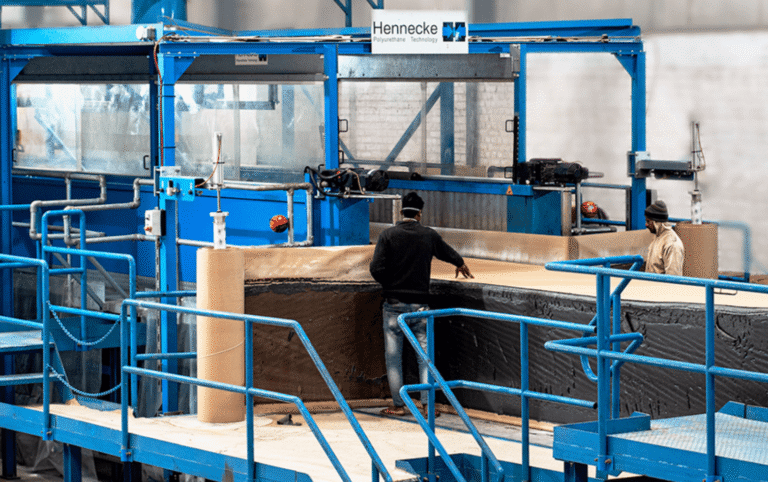
Choosing the right memory foam sheet for your bed is an important step towards improving sleep comfort and overall quality of your rest. While many people focus primarily on the mattresses, the layer of foam used on top of or in the sleeping surface are a significant part of the way the bed feels and performs over time. A good choice of memory foam sheet can help to improve body support, minimise pressure points, and lead to improved sleep posture.
Memory foam sheets are used very extensively due to their ability to fit the body shape, respond to pressure and provide an even and consistent support throughout the sleeping surface. However, not all memory foam sheets are created equally. Differences in material structure, density, thickness and airflow design can result in differences in level of comfort and durability.
Understanding What Memory Foam Is
Memory foam, or the more technical term of visco-elastic foam, is a polyurethane based foam that is made specifically to soften under pressure and heat, and to contour to the body. When the weight is taken off, the foam slowly returns to its original shape. It is this adaptive property that gives memory foam its pressure relieving reputation and makes it suitable in bedding applications.
Unlike conventional foam, memory foam is slow to react instead of reacting immediately. This slow response helps to distribute the body weight evenly and reduces stress on certain pressure points such as shoulders, hips and the lower back. Because of this behaviour, memory foam sheets are often used in order to improve comfort and enhance support without changing the underlying structure of the bed.
How Memory Foam Sheets Improve Sleep Comfort
Working by adjusting itself to the body contours of the sleeper, a memory foam sheet conforms to your body to provide a comfortable sleep experience. Instead of pushing back against the body like firmer materials, it cradles the shape creating a more balanced sleeping surface. This helps to reduce uneven pressure which can cause discomfort or interrupted sleep.
Motion transfer is also limited by memory foam. When someone goes on the side of the bed, the foam absorbs the movement instead of transferring it through the surface. This can be helpful in shared sleeping arrangements where the disturbance of movement is an issue.
Another advantage is surface consistency. A memory foam sheet provides an even support throughout the bed, preventing sagging or unbalanced areas if the quality and density of the material is right.
Density and Its Role in Performance
Density is one of the most significant factors when selecting the memory foam sheet. It is the measure of the amount of material packed into a given amount of foam. Higher density foams are usually more durable and offer better support, whereas lower density foams tend to be softer and easier to compress.
A higher density memory foam sheet often provides better long-term shape retention and consistency of function. It is often appropriate for individuals who need long term support or use of the bed regularly for long periods of time. Lower density foam can be initially plush but may wear out more depending on usage and load.
Density doesn’t necessarily determine firmness but it does determine significantly how the foam behaves over a period of time.
Choosing the Right Firmness Level
Firmness affects how the bed feels when lying down. Memory foam sheets can vary from soft and plush to medium or firm. The ideal firmness depends largely on personal comfort preferences and sleeping posture.
Side sleepers often prefer slightly softer foam that allows shoulders and hips to sink comfortably. Back sleepers may need a balance between softness and firmness to maintain proper spinal alignment. Those who sleep on their stomach may benefit from firmer foam to avoid excessive sinking that strains the lower back.
Firmness should support the body evenly without feeling rigid or overly compressive.
See also: Why Entrepreneurs Thrive Faster with a Business Coach
Importance of Thickness in a Memory Foam Sheet
Thickness determines how much cushioning the memory foam sheet provides. Thicker sheets offer deeper contouring and are useful when placed over firmer mattresses.. Thinner sheets provide subtle comfort enhancement without significantly altering the bed’s firmness.
Selecting thickness should depend on the existing mattress condition. A thicker foam sheet can help compensate for a firm or uneven base, while a thinner option works well when only light pressure relief is required. The goal is to support the body without creating instability or excessive sinking.
Breathability and Temperature Management
Memory foam traditionally responds to body heat, which can lead to heat retention if not designed properly. Modern memory foam sheets are often produced with structures that improve airflow, such as open-cell designs, to allow better heat dissipation.
Breathable foam supports temperature regulation by preventing heat buildup throughout the night. This is particularly relevant in warm climates or for people who naturally sleep hot. Adequate airflow also supports hygiene by reducing moisture accumulation within the foam.
Durability and Shape Retention
Durability refers to how well a memory foam sheet maintains its original shape and performance over time. Quality foam should resist permanent indentations and recover its form after prolonged use. Factors affecting durability include density, manufacturing consistency, and material resilience.
A durable memory foam sheet maintains even support and avoids uneven wear patterns. This contributes to consistent sleep comfort and extends the usable life of the bedding layer.
Hygiene and Maintenance Considerations
Memory foam sheets are typically resistant to dust mites due to their dense structure. However, maintaining cleanliness still requires proper covers and care. Using protective fabric covers can help keep the foam surface clean and protect it from spills, moisture, and dust.
Memory foam should not be exposed to excessive moisture, and cleaning should be done according to recommended methods to avoid damaging the material structure.
Matching the Foam Sheet to Individual Needs
Selecting the right memory foam sheet also involves understanding personal comfort needs and health considerations. Individuals with joint sensitivity or back discomfort may benefit from foam that offers balanced pressure relief and support. Others may prioritise responsiveness or temperature control.
Evaluating sleeping position, body weight, and existing mattress condition helps narrow down suitable options. A well-matched foam sheet enhances the bed without overpowering the support already provided by the mattress.
Final Thoughts on Choosing the Right Memory Foam Sheet
Choosing a memory foam sheet is about finding the right balance between comfort, support, and durability. Understanding density, firmness, thickness, and breathability helps ensure the foam performs as expected over time. Rather than focussing on surface softness alone, it is important to consider how the foam behaves under real sleeping conditions.
A thoughtfully selected memory foam sheet can significantly improve sleep quality by supporting natural body alignment, reducing pressure points, and maintaining consistent comfort night after night. By focussing on material properties and practical performance, you can make a decision that supports long-term rest without relying on promotional claims.