

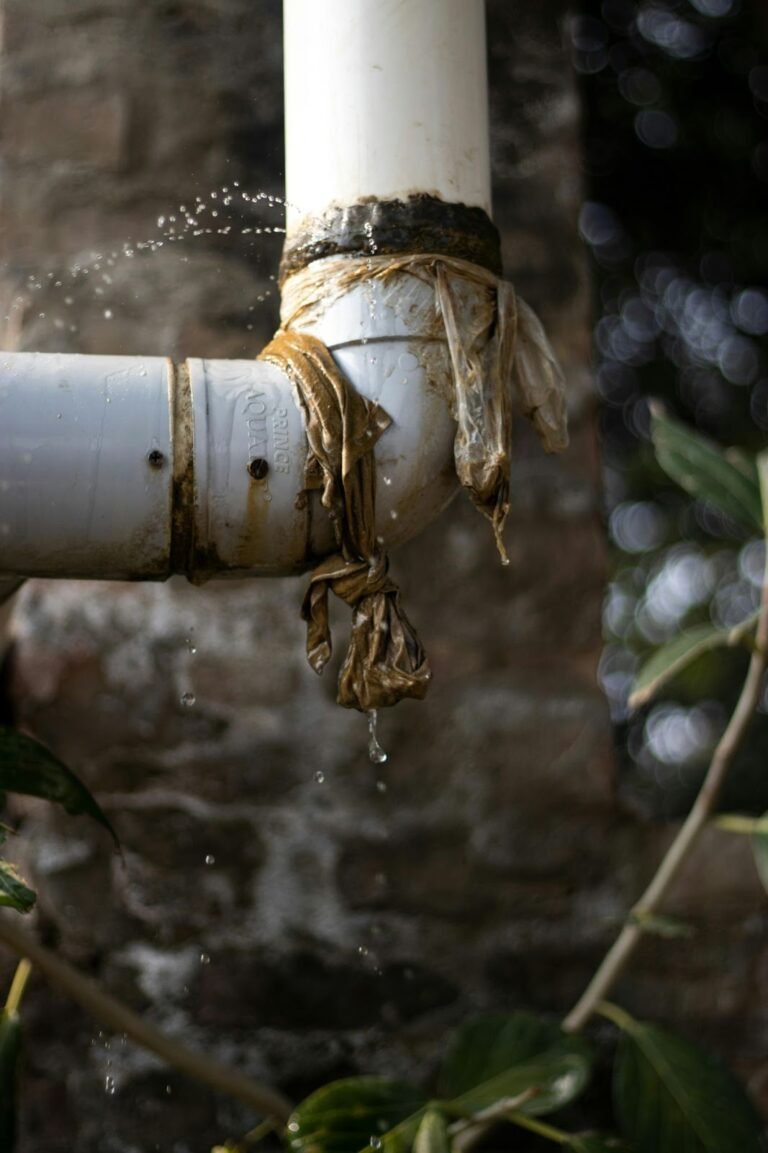
Homeowners are spoilt for choice now when it comes to DIY videos and guides, and it’s tempting to go and fix plumbing problems yourself. For small problems, such an approach can save some time and money. However, plumbing systems are more complicated than they look, and not all problems can be tackled with a do-it-yourself approach. Some problems are ones that require professional knowledge, specialized tools and experience to avoid further damage or even safety risks. Understanding when a problem with your home’s plumbing is manageable and when it requires assistance from a trained professional is key to keeping your home safe.
Understanding the Limits of DIY Plumbing
Generally, simple plumbing repair can be done without the need for professional assistance. Tasks such as replacing a worn faucet washer, tightening a loose connection or clearing a simple sink blockage using a plunger are generally low-risk. These jobs are visible and small in scope and unlikely to impact other portions of the plumbing system.
Problems arise when homeowners try to make repairs by themselves when the work is done with hidden pipes, high water pressure, drainage systems, and appliances such as water heaters. Modern plumbing systems are an interconnected system, which means that one misguided fix could cause leaks, water damage, and even system wide problems. Recognizing these are the limits is the first step to knowing when to call a professional plumber.
When You Have Active or Uncontrolled Water Leaks
Any situation which involves uncontrolled flow of water is a sure sign that professional help is required. Burst pipes, leaking supply lines, or water escaping from walls or ceilings can quickly do serious damage to the flooring, drywall, insulation and structural components.
While knowing how to shut off the main water supply to your home is something that homeowners should know how to do, determining the source of the leak and how to repair it often requires the tools and experience of a professional. A plumber will be able to determine the state of the pipes, the weakest point in the system and make sure that the repair does not fail again under pressure.
Persistent or Recurring Drain Clogs
Occasional clogs in the sink or shower are common and often can be dealt with using a plunger or basic drain snake. However, if clogs are recurring or there is more than one clogging a drain at the same time, then the problem is probably deeper in the plumbing system.
Recurring clogs can be caused by grease build-up, foreign objects, pipes that are damaged or there are clogs in the sewer lines. DIY attempts may give temporary relief but almost never resolve the underlying problem. Professional plumbers use diagnostic tools to find blockages and apply the right solutions that help to protect the pipes and restore them to proper drainage.
Water Heater Problems Beyond Simple Adjustments
Water heaters are complex systems that combine plumbing, pressure control, and in many cases gas or electrical components. Issues such as inconsistent hot water, leaking tanks, rumbling noises, or visible corrosion indicate problems that should not be handled casually.
Attempting to repair a water heater without proper training can lead to gas leaks, electrical hazards, or serious injury from pressurized hot water. A professional plumber can safely inspect the unit, determine whether repair or replacement is required, and ensure the system operates efficiently and safely.
Low Water Pressure Throughout the Home
Low water pressure affecting a single fixture may be a simple issue, such as a clogged aerator. When low pressure occurs throughout the house, the cause is often more serious. Potential issues include hidden leaks, corroded pipes, faulty pressure regulators, or problems with the main water line.
Diagnosing these issues requires pressure testing and system-wide inspection. Guessing at solutions or replacing random components can lead to wasted money and unresolved problems. A professional plumber can accurately identify the cause and restore proper water pressure without unnecessary disruption.
See also: How to Choose Outdoor Garage Lights for Your Home Exterior
Sewage Smells or Drain Backups
Foul odors coming from drains or sewage backing up into toilets, tubs, or floor drains are serious warning signs. These symptoms often point to blockages or damage in sewer or main drain lines. Besides being unpleasant, sewer problems pose health risks and can contaminate living spaces.
DIY solutions rarely work for sewer line issues and can sometimes make them worse. Professional plumbers have the equipment needed to inspect underground lines, clear blockages safely, and recommend repairs when pipes are damaged or collapsed.
Signs of Hidden Leaks or Slab Leaks
Not all plumbing problems are visible. Hidden leaks can occur behind walls, under floors, or beneath concrete foundations. Common warning signs include unexplained water bill increases, damp spots on walls or floors, warm patches on flooring, or the sound of running water when fixtures are turned off.
Slab leaks are particularly serious because they can weaken the foundation of a home if left unresolved. Diagnosing and repairing these issues requires leak detection equipment and specialized expertize. DIY methods are ineffective and may result in unnecessary damage to flooring or walls.
Plumbing Work That Requires Permits or Code Compliance
Some plumbing projects must meet local building codes and require permits, such as water heater installations, pipe replacements, or system modifications during renovations. Performing this work without permits or professional oversight can cause problems during inspections or when selling the property.
Professional plumbers understand local code requirements and ensure work complies with regulations. This helps protect homeowners from legal issues, failed inspections, or costly corrections in the future.
Safety Risks Associated With DIY Plumbing
Plumbing is closely connected to gas lines, electrical systems, and household water quality. Errors made during DIY repairs can result in flooding, electrical damage, gas leaks, or contaminated water. These risks extend beyond property damage and can endanger the health and safety of residents.
Professional plumbers are trained to work within these systems safely, reducing risk and ensuring that repairs do not compromise other parts of the home.
Conclusion
DIY plumbing repairs can be practical for small, straightforward tasks, but many plumbing issues demand professional expertize. Uncontrolled leaks, persistent clogs, water heater problems, sewer backups, hidden leaks, and code-regulated work are all situations where calling a professional plumber is the responsible choice.
Knowing when to step back and seek expert help protects your home from damage, preserves the integrity of your plumbing system, and ensures safety for everyone inside. Making the right call at the right time often prevents minor issues from becoming costly emergencies.