

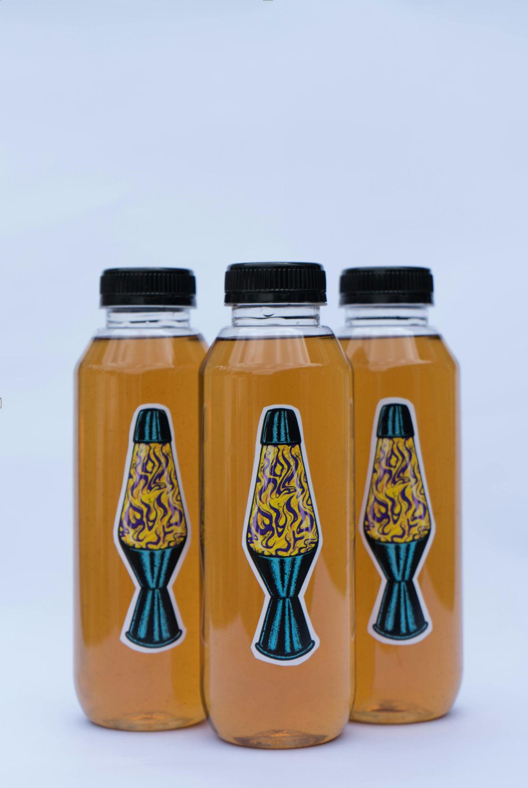
Labels are an integral component of many day-to-day products. They provide information, usage guidance, safety compliance support, and help identify items in industries. From food containers and household goods to industrial goods, the purpose of a label extends far beyond what it looks like. For a label to be effective it has to be easy to read and securely attached through the life of the product.
Waterproof stickers have also increased in importance as the products are subject to moisture, humidity, temperature changes and handling during storage and transportation. Ordinary paper labels often fail with these conditions. Waterproof stickers, in particular those manufactured from synthetic materials like polypropylene, provide durability and reliability that make them a necessity for long-lasting labelling solutions.
What Makes a Sticker Waterproof
Waterproof sticker is a type of sticker that is made to resist contact with water, condensation and moisture without losing its structure and readability. The most important factor that is responsible for this kind of performance is the material used. Unlike paper, synthetic materials do not absorb water. Polypropylene is a commonly used synthetic material because it is naturally repellent to moisture and retain its strength even when wet.
If used as a label material, polypropylene creates a stable surface that prevents water from soaking into it. This is to help protect the printed information as well as the adhesive layer. As a result, waterproof stickers remain intact and functional in the event of splashes or exposure to refrigeration or humid conditions.
The Importance of Durability in Labelling
Durability is critical for labels as they are often subject to difficult conditions from the production stage through to end use. Labels can be handled multiple times, stored in varying temperatures, or exposed to moisture during transport. A label that tears, fades or peels can compromise appearance as well as functionality.
Paper labels become weak fast when exposed to water. They can wrinkle, swell and lose their adhesion, so that text is hard to read and barcodes impossible to scan. Waterproof stickers eliminate the problems of losing their shape by retaining their strength so that vital information is always visible for the entire life of the product.
How Moisture Affects Standard Labels
Moisture is one of the most common causes of label failure. Condensation from refrigeration, humidity in storage areas, or contact with liquids during use can quickly degrade paper labels. Once moisture penetrates the label surface, the adhesive weakens and the printed ink may blur or smudge.
Waterproof stickers are designed to handle these situations. Their moisture-resistant surface prevents liquids from penetrating the label structure. This keeps the adhesive stable and the print clear, even after repeated exposure to wet environments. In settings where moisture is unavoidable, waterproof labels provide consistent performance.
Performance in Cold, Heat, and Humidity
Temperature changes present another challenge for labels. Cold environments such as refrigerators or freezers create condensation, while warmer environments can soften adhesives and distort paper materials. Waterproof stickers made from polypropylene are better suited to handle these temperature variations.
Synthetic label materials remain stable over a wider temperature range compared to paper. They resist cracking in cold conditions and maintain adhesion in warm or humid environments. This makes them suitable for products that move between storage conditions or are used in climate-controlled and non-controlled spaces.
See also: Why Entrepreneurs Thrive Faster with a Business Coach
Maintaining Print Quality Over Time
Print clarity is essential for any label. Information such as ingredients, instructions, warnings, or batch codes must remain legible. Waterproof stickers support long-term print quality by providing a smooth and stable surface for ink.
Because water cannot soak into the label material, printed text and graphics are less likely to fade or smear. Lamination further protects the surface from abrasion and handling. This ensures that labels continue to look professional and readable even after extended use or exposure to moisture.
Applications Across Multiple Industries
Waterproof stickers are widely used across industries where reliability is essential. In food and beverage packaging, labels must withstand refrigeration, condensation, and frequent handling. Waterproof materials help maintain legibility and adhesion under these conditions.
Personal care and household products also benefit from waterproof labels. Bottles used in kitchens and bathrooms are frequently exposed to water and steam. Labels that resist moisture ensure that instructions and safety information remain visible. Industrial and logistical environments rely on durable labels that can withstand storage, movement, and outdoor exposure without degradation.
Supporting Safety and Compliance
Many labels serve a critical compliance function. Safety warnings, handling instructions, and regulatory information must remain intact and readable. If labels degrade or detach, there is a risk of miscommunication or non-compliance.
Waterproof stickers help maintain accuracy and consistency by ensuring that required information remains attached and legible. This is particularly important in environments where labels are exposed to moisture, chemicals, or physical handling.
Reducing Waste and Replacements
Labels that fail prematurely often need to be replaced. This creates additional costs, labour, and material waste. Waterproof stickers reduce the likelihood of label failure, meaning fewer replacements are required over time.
By choosing materials that last longer, businesses can reduce rework and avoid disruptions caused by damaged or unreadable labels. This contributes to more efficient operations and less unnecessary waste.
Long-Term Value of Waterproof Stickers
While waterproof stickers may have a higher upfront cost compared to basic paper labels, their durability offers long-term value. Labels that remain intact prevent issues such as product rejection, misidentification, or customer dissatisfaction.
Long-lasting labels also support consistent presentation, ensuring that products maintain a clean and professional appearance throughout their lifecycle. Over time, the reliability of waterproof stickers often outweighs the initial investment.
Conclusion
Waterproof stickers are essential for creating durable, long-lasting labels in environments where moisture, temperature changes, and handling are common. Synthetic materials like polypropylene provide resistance to water, maintain adhesion, and preserve print quality far more effectively than paper labels.
Across industries, waterproof stickers support reliability, safety, and efficiency by ensuring that labels remain readable and secure. Their ability to withstand real-world conditions makes them a practical and necessary choice for labelling solutions that are expected to last.