

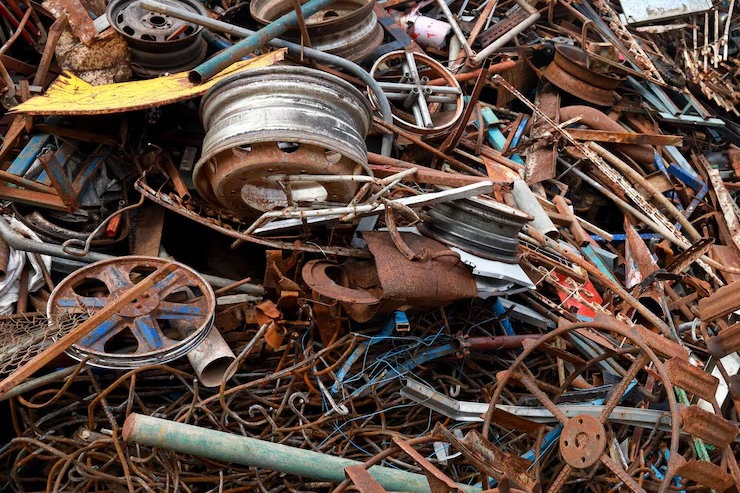
Metal sits in scrap yards, construction sites, and kitchen drawers across Australia. Most people don’t think twice about tossing old cans or outdated machinery. But what if that discarded material could power entire industries, reduce energy consumption, and keep natural resources in the ground?
Metal recycling turns waste into opportunity. Aluminium cans become aeroplane parts. Steel beams from demolished buildings get reformed into bridges. This process keeps materials circulating through the economy whilst reducing mining and environmental damage. For businesses managing large volumes of scrap and households clearing out old appliances, understanding how this system works makes all the difference.
The recycling loop starts when you separate ferrous metals (those containing iron) from non-ferrous metals (like copper, brass, and aluminium). That distinction matters because each type follows a different processing path and holds a different value. Getting this right from the start speeds up everything that comes after.
Why Bother Recycling Metal?
Extracting new metal from ore requires massive energy inputs. Mining operations tear into landscapes. Smelting releases emissions. Recycling sidesteps most of that damage.
When you recycle aluminium, you save about 95% of the energy needed to produce new aluminium from bauxite ore. Steel recycling cuts energy use by roughly 60%. These aren’t small wins. Multiply those savings across millions of tonnes processed annually, and the environmental impact becomes enormous.
Businesses benefit from lower disposal costs and potential income from scrap sales. Households clear space and contribute to cleaner communities. Everyone avoids landfill fees that keep climbing year after year.
What Metals Can You Recycle?
Almost all metals qualify for recycling. Some fetch better returns than others. Here’s what yards typically accept:
Ferrous metals include steel, cast iron, and wrought iron. Construction sites generate tonnes of structural steel. Manufacturing plants produce offcuts and rejected parts. Households contribute old appliances, car parts, and garden tools.
Non-ferrous metals cover a wider range. Copper wiring holds significant value. Brass fittings, aluminium window frames, and stainless steel sinks all qualify. Lead batteries get processed separately due to toxicity concerns.
Contamination creates problems. Paint, plastic attachments, and other materials stuck to metal slow down processing. Clean scrap fetches better prices and moves through the system faster.
Collection for Commercial Sites
Large building projects and industrial operations generate enough scrap to justify the use of pickup services. Demolition crews pull steel beams and copper pipes from old structures. Manufacturers accumulate metal shavings and production waste. These volumes make the collection worthwhile.
Pickup services target sites with substantial quantities. A small residential garage cleanout doesn’t meet the threshold. The fuel costs, labour time, and logistics don’t add up for scattered small loads. Commercial clients need bins or containers placed on-site for ongoing collection.
Timing matters. Coordinating pickups around construction schedules prevents scrap from piling up and creating hazards. Regular collection keeps operations running smoothly and maintains site safety standards.
What Households Need to Know
Residential scrap requires a different approach. Most recyclers expect you to bring materials to the yard yourself. Loading old water heaters, bike frames, or kitchen appliances into a trailer might seem like extra work, but yards process these items quickly once you arrive.
Hiring a truck makes sense for larger loads. That old shed you’re tearing down, or the fence you’re replacing, might fill a ute. Weigh the hire cost against what you’d pay in council cleanup fees or landfill charges. Often, recycling comes out ahead.
Sorting before arrival saves time. Keep steel separate from aluminium. Remove any obvious non-metal parts, such as wooden handles or rubber feet. Yards appreciate clean loads and process them faster.
See also: Why Entrepreneurs Thrive Faster with a Business Coach
The Sorting Process
Once scrap reaches a recycling facility, sorting begins in earnest. Workers separate materials by type and grade. Magnets pull ferrous metals from mixed piles. Non-ferrous metals get identified visually or through testing.
Advanced facilities use mechanical separation techniques. Eddy current separators repel aluminium and copper away from other materials. Density-based systems separate brass from lighter metals. These methods speed up processing and improve purity.
Manual sorting still plays a role. Experienced workers spot contamination and remove it. They identify unusual alloys and direct them to appropriate processing streams. Human judgment catches what machines miss.
Processing and Transformation
Sorted metals head to shredders or balers. Shredders tear material into small pieces. This increases surface area and prepares metal for melting. Balers compress lighter materials into dense blocks for easier transport and storage.
Melting happens in furnaces designed for specific metal types. Steel melts at different temperatures from aluminium. Each metal requires precise heat control to maintain quality. Impurities float to the surface and get skimmed off.
Molten metal gets poured into moulds to create ingots or billets. These standardised shapes make transportation and resale straightforward. Manufacturers buy these raw materials and turn them into new products.
Quality Control Matters
Recycled metal must meet industry standards. Testing ensures proper composition and strength. Substandard material gets rejected or reprocessed. Buyers rely on consistent quality to manufacture reliable products.
Contamination reduces quality. Mixed alloys create weak spots. Foreign materials cause defects. Careful sorting and processing maintain the integrity needed for construction, manufacturing, and other demanding applications.
Traceability helps. Knowing where scrap originated and how it was processed builds confidence. Reputable recyclers document their processes and provide certifications when required.
Environmental and Economic Impact
Recycling reduces landfill pressure. Metal doesn’t decompose. It sits underground, taking up space indefinitely. Diverting it from landfills frees capacity for materials that can’t be reclaimed.
Resource conservation extends the life of existing materials. Mining becomes less necessary. Natural habitats avoid disruption. Water used in mining operations stays in rivers and aquifers.
Job creation follows recycling growth. Collection, sorting, processing, and transport all require workers. Local economies benefit from these employment opportunities and the services recyclers provide.
Getting Started
Start by identifying what you have. Check for magnetic attraction to distinguish ferrous from non-ferrous metals. Clean off obvious contaminants. Group similar materials together.
Research local yards and their requirements. Some specialise in particular metals. Others handle everything. Ask about accepted materials, processing times, and any documentation needed for commercial loads.
Plan transport based on volume. Small loads fit in a car boot. Larger quantities need a trailer or a hired truck. Consider multiple trips if sorting and transporting everything at once feels overwhelming.
Building sites should establish collection protocols early. Designate areas for different metal types. Train crews on sorting requirements. Schedule regular pickups to prevent accumulation.
Common Challenges
Mixed materials complicate processing. Composite products containing metal and plastic require extra separation work. Some items aren’t worth the effort to break down. Understanding what recyclers want saves frustration.
Contamination from oils, chemicals, or other substances reduces value. Cleaning isn’t always possible or practical. Ask the yards about their tolerance for contaminated scrap before hauling it in.
Transport logistics create barriers for some households. Not everyone owns a trailer or knows someone who does. Hire costs might exceed scrap value for very small loads. Weigh available options carefully before committing time and money.