

You walk past your pond one morning and notice the water looks murky. Maybe there’s a film on the surface. Or perhaps the fish seem sluggish near the edges. These signs point to a deeper problem: your pond isn’t getting enough oxygen.
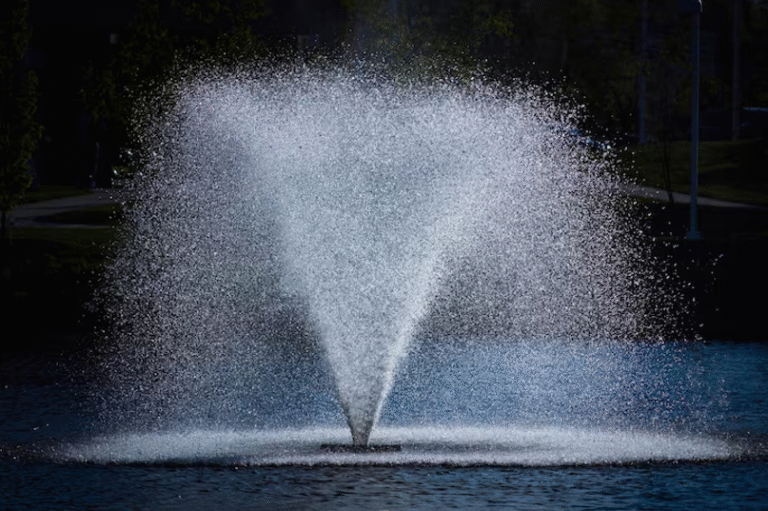
Floating pond fountains do more than create a pleasant visual display. They push oxygen into the water and keep it moving. This movement breaks up stagnant layers and prevents the buildup of harmful gases. When water circulates properly, it supports fish, beneficial bacteria, and the entire aquatic food chain. Without circulation, your pond becomes a breeding ground for algae and anaerobic bacteria.
Stagnant water creates dead zones where nothing can survive. Fish populations decline. Unpleasant odors develop. The water turns green or brown. These problems compound quickly because poor water quality accelerates biological decay. A floating fountain addresses this by creating surface agitation and distributing oxygen throughout the water column.
Breaking Down Thermal Stratification
Ponds naturally form layers based on the current temperature levels. Warm water sits on top while cold water sinks to the bottom. This thermal stratification traps oxygen near the surface and leaves deeper areas oxygen-starved. Fish can’t access the cooler depths during hot weather. Beneficial organisms that process waste can’t function without oxygen.
A fountain breaks these layers apart. The spray pattern pulls water from below and exposes it to air. This mixing process is called destratification. When layers blend together, oxygen reaches every depth. Temperature becomes more uniform. Fish can move freely through all zones of the pond.
The mixing effect also prevents nutrient accumulation at the bottom. Decaying plant matter and fish waste settle in deep areas. Without circulation, these materials release phosphorus and nitrogen that fuel algae blooms. Continuous water movement keeps nutrients suspended where bacteria can break them down aerobically.
Controlling Algae Growth
Algae thrives in warm, still water with high nutrient levels. Once it takes hold, it spreads fast. Green water blocks sunlight from reaching submerged plants. When algae dies off, the decomposition process consumes even more oxygen. This creates a vicious cycle that’s hard to reverse.
Moving water disrupts algae’s ability to photosynthesize effectively. The constant turbulence prevents cells from settling in optimal light zones. Oxygen-rich conditions favor competing organisms that keep algae in check naturally. You won’t eliminate algae completely, but you’ll maintain a healthier balance.
Some pond owners try chemical treatments or UV clarifiers. These methods work temporarily but don’t address root causes. Aeration tackles the underlying conditions that allow algae to dominate. The fountain creates an environment where diverse aquatic life can compete and self-regulate.
Supporting Fish and Wildlife
Fish need dissolved oxygen to breathe. Warm weather reduces oxygen solubility in water. Summer months become dangerous for fish populations, especially in shallow ponds. You might see fish gasping at the surface early in the morning when oxygen levels hit their lowest point.
A fountain runs continuously to maintain stable oxygen levels. The spray creates thousands of tiny droplets that absorb atmospheric oxygen. This process happens faster than passive diffusion at a calm surface. Your fish get the oxygen they need even during peak summer heat.
Birds and beneficial insects are drawn to moving water. Dragonflies help control mosquito populations. Frogs and turtles find healthier hunting grounds. The ecosystem becomes more diverse and resilient when the water quality improves. Each species plays a role in maintaining balance.
See also: Family-Friendly Smart Home Solutions
Energy Considerations and Placement
Most fountains use less power than you might expect. A typical unit draws similar energy to a few light bulbs. Running costs stay reasonable because the motor doesn’t work against high resistance. Water spray requires less force than pushing liquid through pipes or lifting it to significant heights.
Placement matters for effectiveness. The fountain should sit where prevailing winds won’t constantly blow spray onto docks or pathways. You want coverage across the pond’s surface without creating nuisance splashing. Depth at the installation site affects stability and winter operation.
Shallow areas risk freezing damage in cold climates. Deeper placement protects equipment but may reduce surface agitation in that zone. Some people run fountains year-round in moderate climates. Others shut down for winter and restart in early spring. Your local conditions and pond depth determine the best approach.
Maintenance Requirements
You’ll need to clean the intake screen periodically. Debris accumulates and restricts water flow. Most designs make this task straightforward. Pull the unit to shore, rinse the screen, and redeploy. How often depends on your pond’s organic load and surrounding vegetation.
Motors and bearings require occasional inspection. Look for unusual noise or vibration. These signs indicate wear that could lead to failure if ignored. Replacing worn parts before they break saves you from emergency repairs during peak season.
Water quality testing helps you track progress. Simple kits measure dissolved oxygen and pH. You’ll see improvement within weeks of adding aeration. Fish behavior changes noticeably. The water clears. Odors disappear. These visual cues confirm the system is working as intended.
Comparing Surface Aeration Methods
Fountains aren’t the only option for oxygenating ponds. Diffused aeration uses air compressors and bottom-mounted diffusers. This method creates gentle circulation from below. It’s quieter and less visible than a fountain but requires more installation effort.
Paddlewheel aerators churn surface water aggressively. They’re common in aquaculture but may be too industrial-looking for residential settings. Each approach has trade-offs between aesthetics, effectiveness, and cost.
Floating fountains offer a middle ground. They provide strong oxygenation while enhancing visual appeal. The spray pattern creates ambient sound that many people find pleasant. Installation is simple because there’s no buried pipe or shore-based equipment.
Healthy pond water doesn’t happen by accident. It requires active management of oxygen levels and circulation. Floating fountains provide a practical solution that addresses multiple problems simultaneously. They prevent stratification, control algae, support fish populations, and improve overall water quality. The visible spray reminds you the system is working while creating an appealing focal point. For pond owners facing murky water or fish stress, aeration represents the most direct path to long-term improvement.