

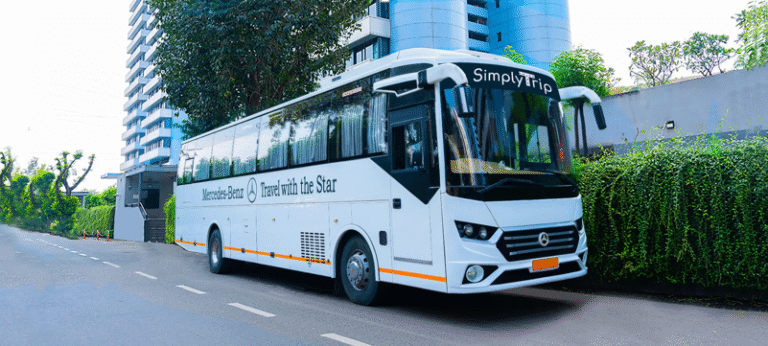
Planning group travel brings up one question faster than anything else: how do we all get to the destination together? You want everyone arriving at the same time, preferably without the chaos of coordinating multiple vehicles or dealing with public transport schedules that never quite line up.
Charter buses offer a straightforward solution for groups of 20 or more people. They provide dedicated transport with enough space for everyone and their luggage. But are they always the right choice? Sometimes a minibus works better. Other times, renting multiple cars makes more sense. Let’s look at what actually works for different situations.
The truth is, picking the wrong group transportation option can turn your trip into a headache before it even starts. Split groups, delayed arrivals, and lost travellers are trying to navigate unfamiliar routes on their own. These aren’t just inconveniences. They can derail entire itineraries.
What Charter Buses Bring to the Table
A charter bus seats anywhere from 40 to 56 passengers, depending on the model. Everyone travels together, which sounds obvious but matters more than you might think. No one gets left behind at a service station. No arguments about who’s driving or who’s navigating. The driver handles everything whilst your group relaxes.
Most charter buses come with reclining seats, air conditioning, and onboard toilets. Some include Wi-Fi and power outlets, though coverage can be patchy on longer routes. Storage space underneath handles substantial luggage loads without cramming bags into passenger areas.
Cost spreads across all passengers, which often makes charter buses cheaper per person than other options. A group of 45 people splitting charter costs typically pays less individually than if they drove separate cars or booked train tickets. The math works out, especially over longer distances.
When Smaller Vehicles Make Sense
Minibuses suit groups of 12 to 20 people better. They’re easier to manoeuvre through narrow streets and fit into standard car parks. Heritage sites with limited coach access become reachable. City centres with tight turns and low bridges don’t pose problems.
These vehicles feel less formal than full-sized coaches. Your group sits closer together, conversations flow more naturally, and the atmosphere stays relaxed. For corporate retreats or family gatherings where bonding matters, a minibus creates the right environment.
Booking flexibility improves with smaller vehicles, too. Last-minute route changes happen without major complications. Want to add an unplanned stop? The driver can adjust more easily than with a larger coach on a fixed schedule.
The Multiple Car Approach
Renting several cars gives your group complete control over timing and routes. Different subgroups can split off for separate activities without affecting everyone else. Families with young children appreciate being able to stop when needed without inconveniencing 40 other passengers.
Parking becomes simpler. Five cars fit where one coach won’t. Remote accommodation with limited turning space welcomes cars but turns coaches away. Mountain roads with sharp switchbacks feel safer in smaller vehicles.
But coordination challenges multiply fast. Keeping everyone together requires constant communication. Someone always gets lost. Fuel stops turn into 30-minute affairs as each vehicle fills up separately. The lead car waits whilst stragglers catch up after missing a turn.
See also: Australia Visa for Indians and Adventure Travel Experiences Across Australia
Train and Public Transport Options
Trains work brilliantly for groups travelling between major cities with reliable rail connections. Everyone boards together, moves freely during the journey, and arrives refreshed. No one worries about traffic or road conditions affecting arrival times.
Cost savings appear when booking group tickets well in advance. Rail companies offer discounts for parties of 10 or more on many routes. Luggage restrictions matter less than on budget airlines, though you’re still limited to what you can carry.
The catch? Stations rarely sit next to your final destination. Your group needs secondary transport from the station to hotels, conference centres, or event venues. Managing that transition with 30 people and their bags creates the exact coordination problem you hoped to avoid. Additionally, understanding vehicle capacity limits helps when deciding between public transport and private hire for larger groups.
Safety and Comfort Considerations
Professional drivers make a difference. They know the routes, handle difficult weather, and manage long distances without fatigue. Your group doesn’t need to rotate drivers or worry about someone nodding off at the wheel after a late night.
Charter buses undergo regular safety inspections and maintenance schedules. Operators maintain insurance coverage and comply with transport regulations. When booking private vehicles, you’re trusting individual drivers to maintain their cars properly. That’s a gamble some groups prefer not to take.
Comfort matters more on trips lasting several hours. Charter buses provide proper legroom and the ability to move around. Cramped cars or crowded trains leave people stiff and irritable by the journey’s end. First impressions at your destination improve when everyone arrives feeling decent.
Environmental Impact Worth Considering
One charter bus produces fewer total emissions than 15 separate cars making the same journey. The environmental maths favours shared transport, especially for groups serious about reducing their carbon footprint. Some operators now run hybrid or electric coaches, though availability remains limited outside major routes.
Public transport wins on sustainability when routes align with your needs. Trains particularly shine here, moving large numbers of people with minimal per-person environmental cost. But empty seats on that train don’t offset the emissions from taxis shuttling your group to the final destination. Familiarity with passenger transport regulations ensures all options meet required safety and environmental standards.
Making Your Decision
Group size drives most choices. Fewer than 15 people? Minibuses or multiple cars probably work better. Between 20 and 50? Charter buses make financial and practical sense. Beyond that, you’re definitely looking at coach hire unless splitting into smaller groups.
Journey distance matters too. Short city trips under 50 kilometres don’t justify charter costs. Long-distance travel over 200 kilometres makes coaches worthwhile. The middle ground depends on your specific route and how much you value keeping everyone together.
Budget flexibility affects everything. Fixed budgets might push you towards public transport or shared cars. If comfort and convenience rank higher than saving every pound, charter buses deliver better experiences.
Think about your group’s composition. Elderly travellers or those with mobility issues need easy boarding and onboard facilities. Young groups might tolerate cramped conditions that older passengers won’t. Match the transport to who’s actually travelling.
Your Next Steps
Research your specific route before committing. Some areas have excellent public transport that genuinely competes with private hire. Others leave you stranded without chartered transport. Check actual journey times, including transfers and waiting periods.
Get quotes from multiple providers. Prices vary significantly between operators, and comparing options reveals what’s actually available for your dates. Ask about included amenities and any restrictions on route changes.
Consider booking flexibility. Cancellation policies differ widely. Some operators allow free changes up to a week before travel. Others charge immediately for any modifications. Read those terms before paying deposits.
Group travel works best when transport fades into the background. Pick the option that gets everyone where they need to be without drama, delays, or high costs. Sometimes that’s a charter bus. Sometimes it isn’t. The right answer depends entirely on your specific situation.