

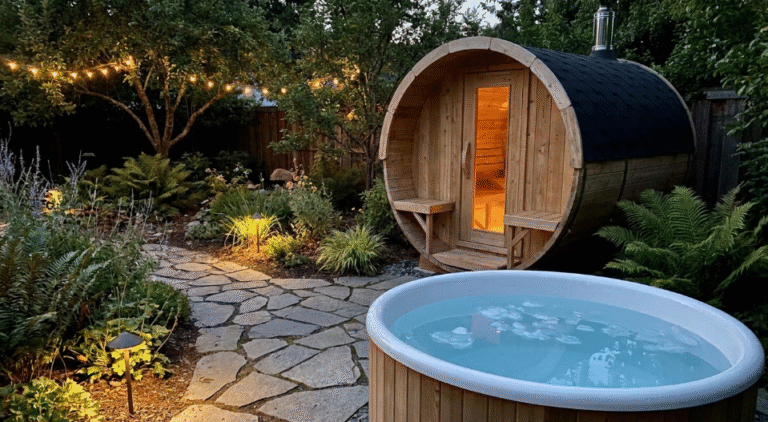
A sauna warranty is really two or three separate warranties bundled into one document: a structural warranty on the wood cabin, usually 5 to 10 years, a shorter warranty on the heater and electrical components, often 1 to 3 years, and sometimes a limited warranty on glass, hardware, or the door. Reading past the headline number on the product page and into the actual document is worth the ten minutes, because the gap between what a seller advertises and what the fine print actually covers is where most warranty disappointment comes from.
Why sauna warranties are split into parts
The wood shell, the frame, the wall panels, the roof, is expected to last decades with basic upkeep, so manufacturers can offer longer structural coverage, 5 to 10 years is typical, without much risk. The heater is a different story: heating elements and electronic controls cycle through extreme temperature swings every session and wear out faster, which is why they usually carry a separate warranty of 1 to 3 years rather than matching the structural term. A seller might advertise “10-year warranty” prominently while the heater, the part most likely to actually need replacing, is only covered for a fraction of that. Reading the actual warranty document, not just the headline claim, is the only way to know which parts you are really covered on.
What voids a sauna warranty most often
Improper electrical installation, wiring not done to code or not sized correctly for the heater, is one of the most common reasons a claim gets denied, which is part of why using a licensed electrician for any 240-volt circuit work matters beyond just safety. Using non-approved replacement parts, running a heater with damaged or missing rocks, or exposing the unit to standing water from poor drainage around the base can also void coverage. Moving the sauna to a new address, especially without following the manufacturer’s specific disassembly and reinstallation instructions, is another common trigger, so anyone who expects to relocate within the warranty period should check this clause specifically before buying.
Reading the claims process before you need it
A warranty is only as useful as the process for actually using it. Look for how a claim gets initiated, phone, email, an online form, how long the manufacturer has to respond, and whether you are expected to ship a part back or whether they send a replacement first. Some warranties require the original purchase receipt and proof of professional installation for larger claims, so keeping that paperwork from day one saves a headache if something does go wrong two or three years in. A seller who cannot clearly explain their own claims process during the sales conversation is a signal worth paying attention to before you buy, not after.
Comparing warranty terms across sellers
Warranty length and what it actually covers vary more between brands than most people expect at a similar price point, so it is worth comparing the fine print, not just the years advertised, across a few options before deciding. Warranty terms are usually posted on the product page itself. On sweatdecks.com, for example, coverage length is listed right under the price, which is a fast way to check it against a competing model before you commit, rather than digging through a separate PDF after the sale is already made.
What a pro-rated warranty actually means
Some manufacturers offer a pro-rated warranty on parts like heating elements, meaning coverage percentage drops each year, full replacement cost in year one, half in year three, for example. This is different from a flat warranty that covers 100 percent of a defective part for the full stated term, and the difference matters if a heater element fails in year four of a five-year pro-rated warranty, since the out-of-pocket cost at that point could be substantial. Ask directly whether a warranty is flat or pro-rated if the document does not say clearly, since this detail is sometimes buried in a way that is easy to miss on a first read.
Registering the warranty and keeping proof of installation
Many manufacturers require online registration within 30 to 90 days of delivery to activate full coverage, and skipping that step is an easy way to end up with a shorter warranty than the one advertised at purchase. Take dated photos of the finished base, the electrical hookup, and the assembled cabin before first use, and keep the original invoice in a folder rather than a drawer somewhere. If a claim ever comes up two or three years later, having that installation record ready cuts weeks off the back-and-forth that otherwise happens when a manufacturer asks for proof the unit was set up correctly from day one.
What a warranty does not cover
Cosmetic wood weathering, natural graying or minor checking of cedar exposed to sun and rain, is normal and almost never covered, since it does not affect structural integrity. Damage from extreme weather events, a fallen branch, flooding, or wind damage beyond what the structure is rated for, typically falls outside coverage and is a homeowner’s insurance question instead. Wear items used up through normal operation, sauna rocks that crack over time from repeated heating and water contact, are usually excluded too and are treated as a routine replacement cost rather than a defect. Knowing which of these categories a problem falls into before contacting the manufacturer saves a round of back-and-forth over something that was never going to be covered in the first place.
Why the base and installation of your sauna matter for warranty claims
A cabin that sits on a poorly drained or uneven base is more likely to develop the kind of moisture or structural issues that get denied as installation-related rather than manufacturing defects. This connects back to site preparation, a level, well-drained gravel bed or pad protects both the physical structure and your ability to make a clean warranty claim if something does eventually go wrong with the wood or frame. Reviews of sauna use, including a 2018 review in Mayo Clinic Proceedings on the reported health associations of regular sauna bathing, are built on studies of properly installed, well-maintained saunas, another reason a correctly built base is not just a cosmetic decision but a functional and financial one.
Frequently Asked Questions
What is a typical warranty length for an outdoor sauna?
Structural or cabin warranties commonly run 5 to 10 years, while heater and electrical component warranties are usually shorter, often 1 to 3 years, since heating elements wear faster than the wood shell.
Does moving a sauna void the warranty?
Some manufacturers void structural coverage if the unit is disassembled and reinstalled at a new address without following their specific relocation process. Check this before planning a move.
Are heater elements covered as long as the cabin frame?
Usually not. Heating elements and electronic controls typically carry a separate, shorter warranty than the wood structure, since they are wear parts exposed to constant heat cycling. Read the warranty document specifically for the heater section rather than assuming it matches the structural term.
References
- Benefits and risks of sauna bathing, The American Journal of Medicine, 2001
- Effects of heat and cold on health, with special reference to Finnish sauna bathing, American Journal of Physiology, 2018
- Does the Combination of Finnish Sauna Bathing and Other Lifestyle Factors Confer Additional Health Benefits? A Review of the Evidence, Mayo Clinic Proceedings, 2023