

In a world where security threats are evolving at an alarming pace, technology has stepped up in remarkable ways to keep us safe. From airports to public events, the integration of high-tech tools has significantly bolstered our ability to detect and neutralize potential dangers. This article dives into how these advancements are changing the landscape of security, focusing on explosive detection, AI’s role in threat identification, and the promising future trends in this critical field.
Explosive detection gets a high-tech upgrade
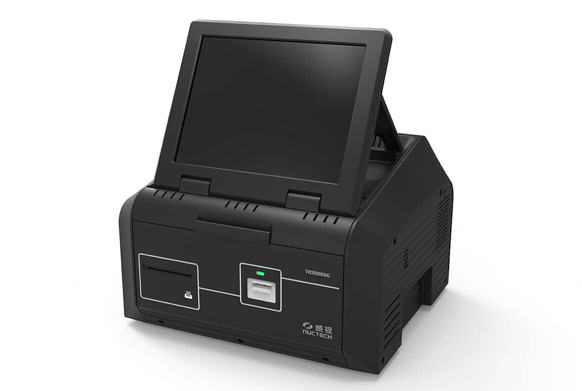
Remember the days when security checks were synonymous with long queues and manual inspections? Well, those days are fast becoming a thing of the past. Modern explosive detection system are leveraging cutting-edge technologies to make the process faster, more accurate, and less intrusive. Take the TR Series from InsTech Netherlands, for instance. These devices use Ion Mobility Spectrometry (IMS) to detect even trace amounts of explosives. It’s like having a super-sensitive nose that never gets tired or misses a beat.
What’s fascinating is how these systems can differentiate between various substances, reducing false alarms that used to plague older methods. Imagine being able to screen cargo containers at seaports or luggage at airports without causing massive delays. It’s not just about efficiency; it’s about ensuring that security measures do not become a bottleneck in our daily lives. The high sensitivity and portable design of these detectors mean they can be deployed almost anywhere, from border crossings to major public events.
See also: Reliable IT Asset Disposition Services for End-of-Life Technology
Ai’s role in sniffing out threats
Artificial Intelligence (AI) has moved beyond being just a buzzword in tech circles; it’s now a crucial player in security operations. AI-driven systems can analyze vast amounts of data in real-time, identifying patterns that might indicate a threat. Think about it—machines that can learn and adapt, getting better at their job with each passing day. It’s like having a guard dog that not only barks at intruders but also understands their behavior and predicts their next move.
These AI systems are incredibly versatile. They can be integrated with existing security infrastructure to enhance capabilities without the need for extensive overhauls. For example, AI can work alongside traditional explosive detection devices to improve accuracy and reduce false positives. It’s a bit like having an experienced detective working with a rookie one brings the intuition, the other brings fresh eyes.
Drone surveillance for public safety
Drones have come a long way from being mere toys for hobbyists. In the realm of security, they are now invaluable tools for surveillance and threat detection. Equipped with high-resolution cameras and advanced sensors, drones can cover large areas quickly and efficiently. They can be deployed to monitor public events, border areas, or even urban environments where traditional surveillance methods might fall short.
The flexibility of drones is one of their biggest advantages. They can hover silently over a crowd, providing real-time footage to security personnel on the ground. This aerial perspective is invaluable for spotting potential threats that might go unnoticed from ground level. Plus, drones equipped with thermal imaging can detect unusual heat patterns indicative of concealed explosives or other hazardous materials.
Future trends in threat prevention
The future of threat prevention looks incredibly promising with ongoing advancements in technology. One exciting trend is the development of wearable tech for security personnel. Imagine smart glasses that provide real-time data overlays about potential threats or body armor equipped with sensors that monitor vital signs and environmental conditions.
Another trend is the integration of blockchain technology for secure data management in security operations. Blockchain’s decentralized nature ensures that data cannot be tampered with, providing an additional layer of trust and transparency in security protocols. This could revolutionize how sensitive information is shared and verified in real-time scenarios.
Finally, we can’t overlook the potential of quantum computing in threat detection. Quantum computers can process complex algorithms at unprecedented speeds, potentially identifying threats before they materialize. It’s like having a crystal ball that doesn’t just predict the future but helps shape it in real-time.
In conclusion, as tech tools continue to evolve, so too does our ability to ensure safety and security in an increasingly complex world. From advanced explosive detection systems to AI-driven threat analysis and drone surveillance, these innovations are setting new standards in public safety and threat prevention.