

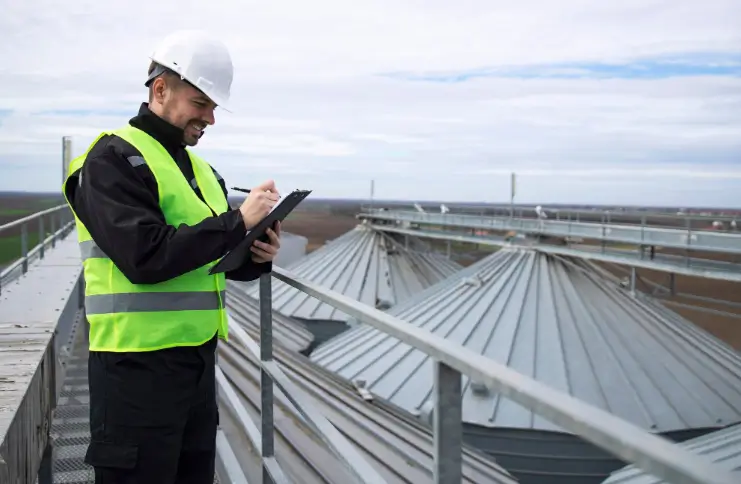
Commercial roof leak repair becomes a growing concern when changing weather conditions place constant stress on roofing systems throughout the year. While many property owners associate leaks with major storms, weather related damage can develop in every season. Heat, freezing temperatures, wind, moisture, and debris all contribute to wear that may increase the likelihood of leaks if not addressed early.
Commercial roofs face continuous exposure to environmental changes. Flat and low slope roofing systems, in particular, can be vulnerable to ponding water, membrane damage, and weakened flashing. Understanding how different seasons affect roof performance can help property managers recognize risks before minor issues become expensive problems.
Why Weather Plays a Major Role in Commercial Roof Performance
Commercial roofing materials expand, contract, absorb moisture, and respond to changing temperatures. These natural reactions can weaken roofing components over time.
Weather can affect:
- Roofing membranes and seams
- Flashing around penetrations
- Drainage systems and gutters
- Insulation beneath roofing layers
- Roof coatings and protective surfaces
Even durable roofing systems can become compromised when seasonal conditions repeatedly stress these components.
Spring Rain and Moisture Related Leak Risks
Spring often brings frequent rainfall, thunderstorms, and fluctuating temperatures. This combination can expose hidden vulnerabilities that developed during winter.
Heavy Rain Reveals Existing Weak Points
Spring storms often test the roof’s ability to shed water effectively. Damaged seams, punctures, or worn flashing may begin leaking under sustained rainfall.
Water intrusion may develop around:
Roof Penetrations
HVAC units, vents, skylights, and drains can become vulnerable if seals deteriorate.
Membrane Seams
Flat roofing membranes rely on properly sealed seams. Water may enter when seams separate.
Drainage Blockages
Clogged drains can create ponding water that increases pressure on the roofing system.
Freeze Thaw Damage Carries Into Spring
Winter moisture trapped in cracks can freeze and expand. When temperatures rise in spring, these damaged areas may begin allowing water penetration.
This is often when hidden winter damage becomes visible.
Summer Heat Can Accelerate Roof Deterioration
Hot weather may seem less threatening than storms, but prolonged heat can significantly affect commercial roofs.
Thermal Expansion and Contraction
Roofing materials expand during daytime heat and contract as temperatures cool at night. This repeated movement can strain:
- Membrane seams
- Fasteners
- Flashing connections
- Roof penetrations
Over time, movement can create openings where moisture enters.
UV Radiation Breaks Down Roofing Materials
Direct sunlight can gradually degrade roofing surfaces. Ultraviolet exposure may cause:
- Cracking
- Surface brittleness
- Blistering
- Coating deterioration
As protective layers weaken, the roof becomes more susceptible to leaks.
Ponding Water After Summer Storms
Summer thunderstorms can drop large amounts of rain quickly. Poor drainage can leave standing water that stresses roofing materials and increases leak risks.
Flat commercial roofs are particularly vulnerable to this issue. For reliable commercial roofing services, contact Nailed It Roofing Pros.
How High Winds Increase Leak Potential
Wind affects commercial roofs year round, not just during severe storms.
Wind Can Damage Roofing Components
Strong winds may lift edges, loosen membranes, or displace flashing.
Common wind related issues include:
- Lifted roofing seams
- Torn membrane sections
- Detached flashing
- Debris impact damage
Even small wind damage can allow water infiltration during the next rain event.
Flying Debris Can Cause Punctures
Branches, loose materials, and storm debris may puncture roofing membranes.
Small punctures may go unnoticed until leaks appear inside the building.
Fall Creates Unique Roofing Challenges
Autumn often introduces debris buildup, shifting temperatures, and increased rainfall.
Leaves and Debris Block Drainage
Drainage systems can become clogged when leaves collect in gutters and roof drains.
This can lead to:
- Ponding water
- Overflow near roof edges
- Increased moisture retention
- Added weight stress on roofing materials
Standing water remains one of the leading causes of flat roof leak problems.
Cooler Temperatures Stress Aging Materials
Older roofing materials may become less flexible in cooler conditions.
This reduced flexibility can make membranes more likely to crack under stress.
Winter Weather Can Be Especially Hard on Commercial Roofs
Cold weather often creates some of the most serious leak risks.
Snow Accumulation Adds Weight Stress
Heavy snow can place significant loads on commercial roofing structures.
This added pressure may affect:
- Structural components
- Drainage systems
- Roofing membranes
- Flashing connections
Combined with moisture intrusion, snow loads can worsen existing vulnerabilities.
Ice Dams Can Force Water Into Roofing Systems
Although often discussed in residential roofing, ice related drainage issues can also affect commercial properties.
When melting water refreezes near drainage points, water may back up beneath roofing materials.
This can create hidden leaks that develop slowly.
Freeze Thaw Cycles Worsen Existing Damage
One of winter’s biggest threats comes from repeated freezing and thawing.
When moisture enters small cracks and freezes, expansion enlarges those openings.
Over time, minor defects can become major leak points.
Temperature Swings Throughout the Year Cause Ongoing Stress
Extreme seasonal shifts are not the only concern. Daily temperature fluctuations also affect roof integrity.
Constant Expansion and Contraction Weakens Roofing Systems
Repeated material movement can cause:
- Joint separation
- Sealant breakdown
- Fastener loosening
- Flashing failure
These gradual changes often happen long before visible leaks appear.
See also: Family-Friendly Smart Home Solutions
Humidity and Condensation Can Create Hidden Moisture Problems
Weather impacts are not limited to rain and storms.
Humidity can contribute to moisture problems that may resemble roof leaks.
Condensation Can Damage Roofing Systems Internally
Warm indoor air meeting cooler roof surfaces can generate condensation beneath roofing materials.
This trapped moisture may affect insulation and contribute to deterioration over time.
Because it often develops out of sight, condensation can be difficult to detect early.
Storm Frequency and Extreme Weather Increase Long Term Risks
Changing weather patterns may expose commercial roofs to more frequent severe conditions.
Repeated Storm Exposure Compounds Damage
One storm may cause minor issues. Multiple storms over time can worsen those vulnerabilities.
Repeated exposure can lead to:
- Progressive seam deterioration
- Increased membrane wear
- Flashing fatigue
- Water intrusion pathways
Small weather related issues often become cumulative problems.
Roofing Material Type Influences Weather Vulnerability
Not all commercial roofs respond to weather in the same way.
Single Ply Membranes
Materials such as TPO and EPDM may face risks related to seam failure, punctures, and thermal movement.
Built Up Roofing Systems
These may be vulnerable to cracking, blistering, or moisture intrusion over time.
Metal Roofing
Metal roofs may experience expansion movement, fastener issues, or corrosion if protective coatings wear down.
Each roofing system has weather related strengths and vulnerabilities that influence leak risk.
Warning Signs Weather May Be Affecting Your Roof
Some signs of weather related roof problems appear before active leaks occur.
Watch for:
- Ponding water after rainfall
- Cracked or lifted flashing
- Blistering roofing surfaces
- Interior ceiling stains
- Mold or moisture odors
- Loose roofing materials after wind events
Recognizing early warning signs may help prevent larger repairs.
Why Minor Weather Damage Often Leads to Bigger Problems
Small roof issues rarely remain isolated.
A minor puncture or loosened seam can allow moisture beneath the membrane. Once trapped, moisture may spread and affect insulation, structural materials, and interior spaces.
What begins as a small defect may lead to:
- Larger leak areas
- Reduced insulation performance
- Mold concerns
- Interior property damage
- Structural deterioration
Weather often turns small defects into larger problems over time.
Seasonal Roof Inspections Help Identify Weather Related Risks
Because every season creates different challenges, routine inspections can help identify developing concerns.
Spring Inspections
Assess winter damage, drainage performance, and moisture related issues.
Summer Inspections
Evaluate UV wear, thermal movement damage, and membrane condition.
Fall Inspections
Clear debris, inspect drainage systems, and prepare for winter conditions.
Winter Monitoring
Watch for snow loads, drainage obstructions, and freeze related concerns.
Seasonal assessments help address issues before severe weather worsens them.
Preventive Maintenance Reduces Leak Exposure
Weather cannot be controlled, but roof vulnerability can often be reduced.
Preventive maintenance commonly includes:
- Clearing drains and gutters
- Checking flashing and seams
- Repairing minor punctures
- Monitoring ponding water
- Evaluating roof coatings
- Addressing signs of aging materials
Routine maintenance often helps extend roof life while reducing unexpected leak events.
How Roof Age Increases Weather Sensitivity
Older roofs often become more vulnerable to weather impacts.
Protective surfaces may wear down, seams may weaken, and materials may become less resilient.
As roofs age, they may be less able to withstand:
- Heavy rain events
- Strong wind exposure
- Temperature extremes
- Moisture intrusion
Weather related risks often increase as roofing systems approach the end of their service life.
Weather Related Leaks Are Often Preventable
Many commercial roof leaks do not begin with catastrophic failure. They often start with minor weaknesses worsened by seasonal conditions.
Rain can expose hidden vulnerabilities. Heat can accelerate material wear. Wind can damage protective components. Freezing conditions can enlarge existing defects.
Understanding how weather impacts commercial roofing year round helps property owners recognize why leaks develop and why ongoing attention matters. Commercial roofs endure continuous environmental stress, and each season presents risks that can affect long term performance if early warning signs are overlooked.
Conclusion
Weather affects commercial roofs in every season, and leak risks are not limited to major storms or extreme events. Rain, heat, wind, freezing temperatures, and ongoing temperature fluctuations all place stress on roofing systems in different ways. Over time, these conditions can weaken membranes, flashing, drainage components, and protective surfaces, increasing the likelihood of water intrusion.
Understanding how seasonal weather contributes to roof deterioration helps property owners and facility managers identify risks before they become costly problems. From spring moisture to winter freeze thaw cycles, each season presents challenges that can impact roof performance. Recognizing warning signs, monitoring roof conditions, and addressing weather related vulnerabilities early can help reduce the risk of leaks and support long term roof durability.
Frequently Asked Questions (FAQs)
How does heavy rain cause commercial roof leaks?
Heavy rain can expose weaknesses such as damaged seams, deteriorated flashing, or clogged drainage systems. When water cannot drain properly or finds openings in roofing materials, leaks may develop.
Can hot weather damage a commercial roof?
Yes, prolonged heat and UV exposure can cause roofing materials to expand, contract, crack, or deteriorate over time. This wear may increase the risk of leaks, especially in aging roofing systems.
Why is ponding water a problem for commercial roofs?
Ponding water places prolonged stress on roofing materials and may lead to membrane deterioration, seam damage, and water infiltration. Flat and low slope roofs are especially vulnerable to this issue.
Does winter weather increase roof leak risks?
Winter can increase leak risks through snow loads, ice buildup, and freeze thaw cycles. Moisture entering small cracks may expand when frozen, worsening existing roof damage.
How often should commercial roofs be inspected for weather damage?
Many commercial roofs benefit from seasonal inspections, particularly after severe storms or major weather changes. Regular inspections can help identify developing issues before they lead to significant leaks.