

Nobody warns you about the second day. The first day after a crash, you feel shaken but okay. Maybe a little sore. You tell yourself you got lucky. Then you wake up the next morning, and your neck will not move properly. Your shoulders feel like concrete. A headache sits right behind your eyes and refuses to leave. That is when the real worry sets in, not about the car, but about your body.
Going to an auto injury chiropractor before that pain digs in deep is one of the smartest calls you can make after an accident. Most people wait. They hope it passes. And sometimes it does, but when it does not, that delay costs them weeks, sometimes months, of additional recovery time that could have been avoided entirely.
Clinics like Atlas Chiropractic are built specifically for this kind of situation. They deal with accident-related injuries every week and understand something most general practitioners do not spend much time on, that the most damaging injuries from a collision are often the ones you cannot see or feel right away.
The Thing About Accident Injuries Is That They Hide
Your body is actually working against you in the hours right after a crash. Adrenaline, which spikes hard during any kind of traumatic event, does a surprisingly good job of masking pain. You feel alert, maybe even calm. You exchange information with the other driver, you call your insurance company, and you go home. Fine. Normal. And then the adrenaline wears off.
What surfaces after that varies from person to person. Some people feel it in the neck first. Others notice their lower back tightening up over the next few days. Headaches that seem unrelated to the crash often trace right back to it. Whiplash injury, which occurs when the head snaps suddenly in one direction and then the other, is the best-known example of an injury that takes its time to show up.
The problem with waiting for symptoms to appear before seeking care is that inflammation is already building beneath the surface during that waiting period. By the time you feel bad enough to do something about it, your body has already been running a silent injury response for days. That makes everything harder to treat.
Here Is What a Chiropractor Is Actually Doing
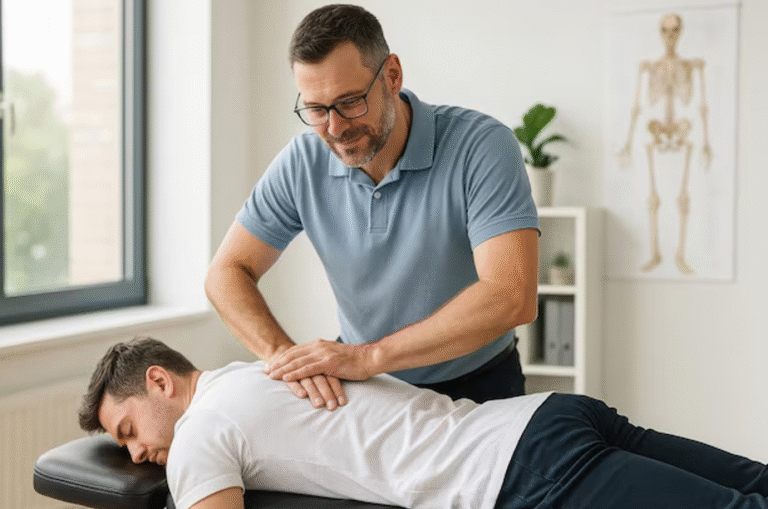
People sometimes picture chiropractic care as just cracking backs and calling it a day. The reality is a lot more specific than that. A chiropractor trained in accident recovery is examining how the impact force moved through your body and where it left things out of place.
Spinal adjustments are the core of the work. When vertebrae shift out of alignment after a collision, they press against nerves and restrict the normal movement of surrounding muscles. That nerve pressure creates pain that can radiate outward, sometimes appearing in places that seem completely unrelated to where the impact occurred. Adjustments work to correct that alignment and take the pressure off.
Soft tissue therapy runs alongside the adjustments in most post-accident treatment plans. This part targets the muscles, tendons, and connective tissue that got strained or torn during impact. Left alone, damaged soft tissue heals with scar formation that limits flexibility and causes long-term stiffness. Working that tissue manually during recovery reduces scar buildup and keeps the body moving the way it should.
What Kind of Injuries Actually Get Treated This Way
A rear-end collision at thirty miles per hour and a side-impact crash at fifteen miles per hour produce completely different injury patterns. The angle, the speed, where you were sitting, whether you saw it coming, all of it changes what gets hurt. That is why a proper assessment matters before any treatment begins.
Some of the most common conditions that respond well to chiropractic care after an accident:
- Neck strain and whiplash from the head snapping forward or sideways
- Mid and lower back pain from compression through the seat and spine
- Headaches driven by misalignment in the cervical vertebrae
- Arm tingling or weakness from nerve irritation in the neck
- Hip stiffness from the lateral impact force
Each one of those requires a different treatment approach. A chiropractor who specializes in post-accident care knows how to assess which is which and how to sequence the treatment so the body heals in the right order.
See also: How Floating Pond Fountains Improve Water Quality and Ecosystem Health
Timing Is Not a Small Detail
There is a window early in the recovery process where the body is still mobile, still fluid in its response, and still relatively open to correction. Soft tissues that have been stressed have not yet locked into a rigid compensation pattern. The nervous system is still in an acute phase. Intervening during that window produces faster results with less effort than trying to work through injuries that have hardened over weeks of neglect.
Chronic inflammation is the specific risk that early care works against. When the inflammatory response does not resolve properly, which happens when injuries go untreated, the body stays in a low-grade defensive state. Muscles remain tight. Joints stay restricted. Pain becomes the background noise of daily life rather than a temporary signal. That is the outcome that early chiropractic care is specifically designed to prevent.
Wrapping Up
The days right after a car accident feel disorganized. There is a lot to deal with all at once. But your physical recovery cannot be pushed to the back of the list. Injuries that seem minor in the first 48 hours have a way of becoming major problems if the body is left to sort them out on its own. Getting proper care early, from someone who understands what collision trauma does to the spine and soft tissues, is the decision that separates a clean recovery from a long, frustrating one.