

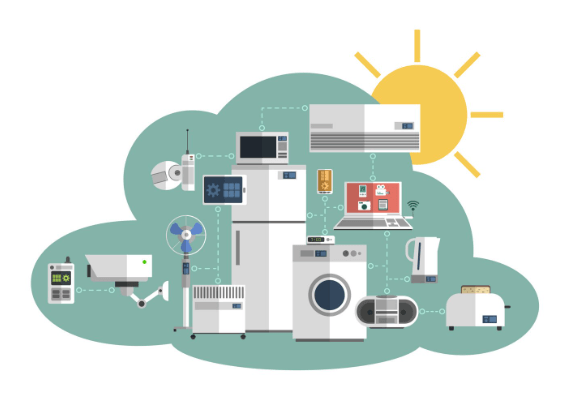
Technology is no longer just something we use for work or entertainment—it has become deeply integrated into how modern homes function. From improving comfort and safety to reducing energy bills and simplifying daily routines, electronic upgrades can transform an ordinary home into a smart, efficient living space. Whether you are planning a full renovation or just want a few meaningful improvements, certain electronic updates stand out as especially valuable.
Smart Home Hubs: The Control Center of Modern Living
One of the most important upgrades for a connected home is a smart home hub. Devices like Amazon Echo, Google Nest Hub, or Apple HomePod act as centralized control systems for many other smart devices. Instead of juggling multiple apps, a hub lets you manage lighting, thermostats, security systems, and even appliances through voice commands or a single interface.
The convenience factor is significant. For example, you can say “turn off all lights” before bed or “set the temperature to 22°C” without touching a switch or remote. Over time, these small interactions add up to a smoother daily routine and a more responsive home environment.
Smart Lighting Systems: Efficiency Meets Atmosphere
Lighting is one of the easiest and most impactful upgrades you can make. Smart bulbs and lighting systems allow you to adjust brightness, color temperature, and even color depending on your mood or activity. Systems from brands like Philips Hue or LIFX can be controlled remotely or programmed to follow schedules.
Beyond convenience, smart lighting helps reduce energy consumption. Lights can automatically turn off when rooms are unoccupied or adjust based on natural daylight levels. This not only lowers electricity bills but also extends the lifespan of your bulbs.
Additionally, lighting plays a psychological role in how a space feels. Warmer tones can create a relaxing atmosphere in the evening, while cooler, brighter tones are ideal for focus during work or study hours.
Smart Thermostats: Comfort and Energy Savings
Heating and cooling account for a large portion of household energy use. Smart thermostats such as Nest or Ecobee learn your habits and adjust temperatures automatically to maximize comfort while minimizing waste.
For instance, if you typically leave for work at 8 a.m., a smart thermostat can lower heating or cooling while you are away and restore it just before you return. Many models also allow remote control via smartphone apps, which means you can adjust your home’s temperature while traveling.
Over time, these systems can significantly reduce energy bills while maintaining a consistently comfortable environment.
Home Security Systems: Peace of Mind in Real Time
Modern electronic security systems go far beyond traditional alarms. Today’s systems include smart cameras, motion sensors, video doorbells, and mobile alerts. Brands like Ring, Arlo, and SimpliSafe allow homeowners to monitor their property in real time from anywhere in the world.
Video doorbells, for example, let you see and speak to visitors even when you are not home. Smart cameras can detect unusual activity and send alerts directly to your phone. Some systems even use artificial intelligence to distinguish between people, animals, and vehicles, reducing false alarms.
The biggest advantage of these systems is peace of mind. Whether you are at work or on vacation, you can stay connected to your home and respond quickly if something seems unusual.
Smart Plugs and Energy Monitoring Devices
Smart plugs are a simple but powerful upgrade that can make almost any device “smart.” By plugging appliances into a smart outlet, you can control them remotely, set timers, and monitor energy usage.
For example, you can schedule a coffee maker to turn on in the morning or ensure that a space heater is turned off after a certain time. Energy monitoring features also help you identify which devices consume the most electricity, allowing you to make informed decisions about usage.
This type of upgrade is especially useful for households looking to reduce waste without replacing all their appliances at once.
Smart Appliances: The Future of Everyday Tasks
Smart appliances are reshaping how households manage daily routines. Refrigerators, ovens, washing machines, and robot vacuums can all connect to Wi-Fi and be controlled through apps or voice assistants.
A smart refrigerator can track expiration dates, suggest recipes based on available ingredients, and notify you when items are running low. Smart ovens can be preheated remotely, and washing machines allow you to start or pause cycles from your phone. Robot vacuum cleaners can clean floors automatically while navigating around furniture.
Innovative electronic bidet seats are also becoming a popular bathroom upgrade, offering features like heated seating, adjustable water temperature, and automatic cleaning functions that improve comfort and hygiene.
These innovations save time, reduce manual effort, and make everyday chores more efficient and convenient.
See also: Choosing the Perfect Home Fragrance for Every Room
Home Entertainment Systems: Immersive Experiences
Entertainment systems have also evolved significantly. Smart TVs, streaming devices, and wireless speaker systems allow for a fully integrated entertainment experience. Devices like Apple TV, Roku, or Chromecast provide access to a wide range of streaming platforms without needing multiple devices.
Wireless surround sound systems can be placed throughout the home and controlled centrally, creating a cinema-like experience in your living room. Voice control adds another layer of convenience, allowing you to play movies, adjust volume, or search content hands-free.
Smart Blinds and Window Systems
A less commonly discussed but highly effective upgrade is smart window treatment. Motorized blinds or curtains can be scheduled to open and close at specific times of day or adjust based on sunlight levels.
This helps regulate indoor temperature naturally, reducing reliance on heating and cooling systems. It also enhances privacy and convenience, especially in hard-to-reach windows.
Conclusion: Building a Smarter, More Efficient Home
Upgrading your home with modern electronics is no longer a luxury reserved for tech enthusiasts—it is becoming a practical way to improve everyday living. From energy-saving thermostats and smart lighting to advanced security systems and automated appliances, each upgrade adds convenience, safety, and efficiency.
The best approach is to start small and build gradually. Even one or two improvements can make a noticeable difference in how your home feels and functions. Over time, these technologies work together to create a living space that is not only more intelligent but also more comfortable and responsive to your needs.