

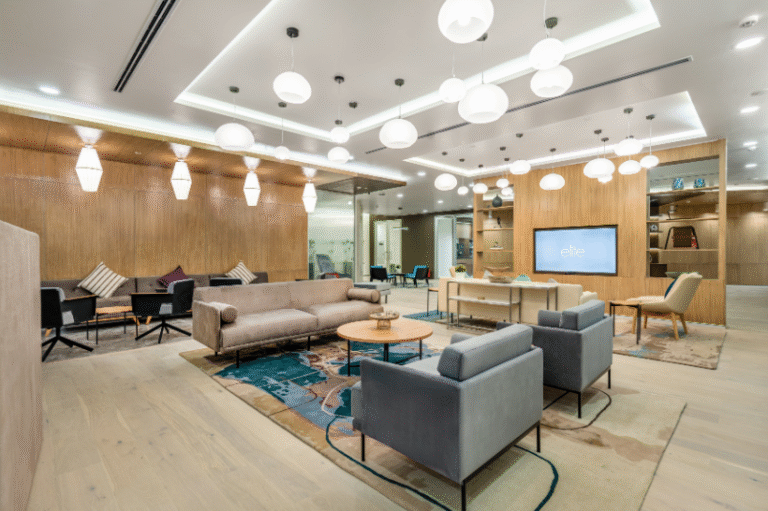
The modern workplace is evolving at a rapid pace, driven by technology, sustainability, and changing employee expectations. Businesses are no longer satisfied with outdated interiors and inefficient layouts; they are looking for environments that inspire productivity, collaboration, and wellbeing. Investing in commercial refurbishment has become a strategic move for organisations seeking to stay relevant and competitive in today’s dynamic market.
Leading specialists such as Ardant Group are helping businesses reimagine their spaces, blending innovative design, smart technology, and sustainable practices to create future-ready environments. From flexible office layouts to eco-conscious materials, refurbishment is no longer just about aesthetics it is about creating intelligent, adaptable, and people-centric spaces.
The Shift Towards Flexible and Adaptive Workspaces
One of the most significant trends in modern business environments is flexibility. Companies are embracing layouts that can adapt to changing teams, technologies, and work styles.
Key features of flexible workspaces include:
- Modular partitions: Easily reconfigured walls that allow spaces to be adjusted as teams grow or shrink.
- Multi-purpose areas: Rooms designed to serve multiple functions, such as meetings, collaboration, and training.
- Hot-desking zones: Shared workstations that support hybrid working models.
- Breakout spaces: Informal areas that encourage creativity and spontaneous discussions.
Flexible design ensures that commercial spaces remain functional and relevant as organisational needs evolve.
Sustainability at the Core of Modern Refurbishment
Sustainability has become a central focus in commercial building upgrades. Businesses are increasingly aware of their environmental responsibilities and the benefits of eco-friendly practices.
Sustainable refurbishment strategies include:
- Low-impact materials: Using recycled, reclaimed, and responsibly sourced materials to reduce environmental footprint.
- Energy-efficient lighting: LED systems and smart controls that minimise energy consumption.
- Improved insulation: Enhancing thermal performance to reduce heating and cooling demands.
- Water-saving fixtures: Installing efficient taps, toilets, and water management systems.
These measures not only support environmental goals but also create healthier and more efficient workplaces.
Smart Technology Integration in Commercial Spaces
Digital innovation is reshaping how commercial environments operate. Smart technologies are becoming integral to refurbished spaces, enhancing efficiency, security, and user experience.
Popular smart features include:
- Automated lighting and climate control: Systems that adjust based on occupancy and environmental conditions.
- Integrated security systems: Advanced access control, surveillance, and monitoring solutions.
- IoT-enabled sensors: Devices that track occupancy, air quality, and energy usage.
- Centralised building management platforms: Software that provides real-time insights and control over building systems.
Smart technology transforms commercial spaces into intelligent environments that support modern business operations.
Human-Centric Design and Workplace Wellbeing
Employee wellbeing has become a priority for organisations, and refurbishment projects increasingly focus on creating comfortable and healthy environments.
Human-centric design elements include:
- Natural light optimisation: Large windows and open layouts that maximise daylight exposure.
- Acoustic solutions: Sound-absorbing materials and design strategies to reduce noise distractions.
- Biophilic design: Incorporating natural elements such as plants, wood, and water features to enhance wellbeing.
- Ergonomic furniture: Workstations designed to support posture and reduce physical strain.
By prioritising wellbeing, businesses can improve employee satisfaction, productivity, and retention.
The Rise of Collaborative and Social Spaces
Modern workplaces are shifting from isolated offices to collaborative environments that encourage teamwork and social interaction.
Collaborative space trends include:
- Open-plan collaboration zones: Areas designed for team discussions and group projects.
- Innovation hubs: Dedicated spaces for brainstorming, prototyping, and creative thinking.
- Social lounges: Comfortable areas for informal meetings and relaxation.
- Café-style spaces: On-site refreshment areas that promote interaction and convenience.
These spaces foster a sense of community and encourage knowledge sharing within organisations.
Minimalist and Contemporary Design Aesthetics
Aesthetic trends in commercial interiors are moving towards clean, modern, and minimalist designs. Simplicity and functionality are at the forefront of contemporary refurbishment projects.
Popular design elements include:
- Neutral colour palettes: Soft tones that create a calm and professional atmosphere.
- Clean lines and uncluttered layouts: Emphasis on simplicity and efficiency.
- Statement lighting: Feature fixtures that add character and visual interest.
- High-quality finishes: Durable materials that combine aesthetics with practicality.
Modern design enhances brand identity and creates a professional impression for clients and employees alike.
See also: Why Entrepreneurs Thrive Faster with a Business Coach
Adaptive Reuse and Sustainable Transformation of Existing Buildings
Rather than demolishing old structures, many businesses are choosing to refurbish and repurpose existing buildings. Adaptive reuse is a sustainable approach that preserves architectural heritage while meeting modern requirements.
Benefits of adaptive reuse include:
- Reduced environmental impact: Minimises waste and resource consumption associated with new construction.
- Preservation of character: Retains unique architectural features and historical elements.
- Urban revitalisation: Contributes to the regeneration of underutilised areas.
- Customised functionality: Existing structures can be tailored to modern business needs.
This approach aligns with sustainability goals while creating distinctive commercial spaces.
Digital Tools and Data-Driven Refurbishment Planning
Technology is not only transforming buildings but also the way refurbishment projects are planned and managed. Digital tools enable precise planning, collaboration, and execution.
Key digital tools used in refurbishment include:
- Building Information Modelling (BIM): Provides detailed 3D models and data for accurate planning and coordination.
- Virtual reality visualisation: Allows stakeholders to experience the refurbished space before implementation.
- Project management platforms: Streamline communication, documentation, and progress tracking.
- Data analytics: Supports informed decision-making and risk management.
These tools improve efficiency and reduce uncertainties throughout the refurbishment process.
Accessibility and Inclusive Design in Commercial Environments
Inclusivity is a growing priority in commercial spaces. Refurbishment projects increasingly incorporate features that ensure accessibility for everyone.
Inclusive design features include:
- Step-free access: Ramps and lifts that provide easy movement throughout the building.
- Accessible restrooms and facilities: Designed to accommodate individuals with disabilities.
- Clear signage and wayfinding: Enhances navigation for all users.
- Adjustable workstations: Supports diverse physical needs and preferences.
Inclusive design creates environments that are welcoming, functional, and equitable for all occupants.
Sustainable Materials and Innovative Finishes
Material selection plays a crucial role in modern refurbishment projects. Innovative materials are being used to enhance durability, aesthetics, and sustainability.
Trending materials and finishes include:
- Recycled and reclaimed materials: Reduces environmental impact and adds unique character.
- Low-VOC paints and finishes: Improves indoor air quality and occupant health.
- Engineered wood and composite materials: Combines durability with visual appeal.
- Acoustic panels and textured surfaces: Enhances both functionality and design.
Material innovation allows businesses to create spaces that are both stylish and responsible.
Future-Proofing Commercial Spaces
Future-proofing is a key consideration in modern refurbishment. Businesses want spaces that can adapt to technological advancements and changing operational needs.
Strategies for future-proofing include:
- Scalable infrastructure: Systems that can be upgraded or expanded as needed.
- Flexible layouts: Designs that can be easily reconfigured for new functions.
- Technology-ready installations: Infrastructure that supports emerging digital solutions.
- Durable construction methods: Ensures longevity and reduces maintenance needs.
Future-proof spaces provide long-term value and resilience in an evolving business landscape.
The Role of Branding in Commercial Interiors
Commercial interiors are a powerful expression of brand identity. Refurbishment projects often incorporate branding elements to create cohesive and memorable environments.
Branding strategies in interiors include:
- Custom colour schemes: Reflects corporate identity and values.
- Branded signage and graphics: Reinforces brand presence throughout the space.
- Thematic design elements: Aligns interior design with brand messaging and culture.
- Reception and client areas: Designed to create a strong first impression.
A well-branded environment enhances corporate image and strengthens stakeholder engagement.
Community and Social Responsibility in Refurbishment Projects
Modern businesses are increasingly focused on social responsibility, and refurbishment projects can contribute to positive community impact.
Socially responsible refurbishment practices include:
- Supporting local suppliers and artisans: Strengthens local economies.
- Creating community spaces: Shared areas that benefit employees and visitors.
- Environmentally responsible waste management: Recycling and reducing construction waste.
- Transparent and ethical practices: Builds trust with stakeholders and the wider community.
Social responsibility enhances corporate reputation and contributes to sustainable development.
Conclusion: Shaping the Future of Commercial Environments
The evolution of commercial spaces is driven by innovation, sustainability, and a focus on people. From smart technology and flexible layouts to sustainable materials and inclusive design, modern refurbishment projects are redefining how businesses operate and interact with their environments.
By embracing these trends, organisations can create inspiring, efficient, and future-ready spaces that support growth and success. Whether you are upgrading an office, retail space, or corporate facility, working with experienced professionals ensures that your vision is realised with precision and creativity. Contact us today to explore how your commercial space can be transformed into a modern, sustainable, and engaging environment.