

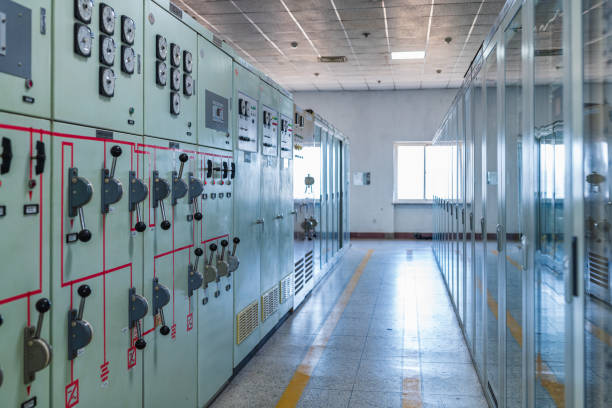
As power networks grow more complex and demand for reliable electricity increases, utilities face constant pressure to modernize infrastructure while maintaining safety, efficiency, and continuity of supply. Advanced medium voltage gas insulated switchgear (MV GIS) solutions for utilities have emerged as a critical technology in meeting these challenges. Designed to deliver compact, reliable, and low-maintenance power distribution, MV GIS systems are transforming the way utilities manage and protect their electrical networks.
This article explores the role of advanced MV GIS solutions in utility applications, highlighting their benefits, key components, engineering considerations, and long-term value for modern power systems.
Understanding Medium Voltage Gas Insulated Switchgear
Medium voltage gas insulated switchgear refers to electrical switchgear systems typically operating between 1 kV and 36 kV. Unlike traditional air-insulated switchgear, MV GIS uses insulating gas—commonly sulfur hexafluoride (SF₆) or newer eco-friendly alternatives—contained within sealed metal enclosures to insulate live components.
Core Components of MV GIS
Advanced MV GIS solutions integrate several critical components to ensure safe and reliable operation:
- Circuit Breakers: Rapidly interrupt fault currents to protect equipment and maintain system stability.
- Disconnectors and Earthing Switches: Provide safe isolation and grounding during maintenance activities.
- Busbar Systems: Distribute electrical power efficiently between incoming and outgoing feeders.
- Protection and Control Units: Monitor network conditions and activate protective functions during faults.
- Instrument Transformers: Measure voltage and current for protection, control, and metering purposes.
The compact and modular design of MV GIS makes it especially suitable for utility substations with limited space or demanding environmental conditions.
Why Utilities Are Adopting Advanced MV GIS Solutions
Utilities worldwide are transitioning to advanced MV GIS to address the evolving needs of modern power networks.
Space Efficiency in Urban Environments
Urban substations often face severe space constraints. MV GIS systems require significantly less space than conventional air-insulated switchgear, allowing utilities to install substations in densely populated areas without compromising safety or performance.
Enhanced Network Reliability
Advanced GIS solutions offer high reliability due to their sealed construction, which protects internal components from dust, humidity, pollution, and temperature extremes. This reliability reduces unplanned outages and improves overall network stability.
Improved Safety Standards
The metal-enclosed and gas-insulated design minimizes the risk of accidental contact with live components. Utilities benefit from enhanced safety for operators and maintenance personnel, as well as reduced arc-flash hazards.
Lower Maintenance Requirements
Compared to traditional switchgear, MV GIS requires less routine maintenance. This reduces operational costs and allows utilities to allocate resources more efficiently.
Advanced Features of Modern MV GIS Systems
Today’s medium voltage GIS solutions incorporate advanced technologies that support smarter, more resilient utility networks.
Digital Protection and Control
Modern MV GIS integrates digital relays and intelligent electronic devices (IEDs) that enable real-time monitoring, fault detection, and system diagnostics. These features enhance response times and improve grid reliability.
Remote Monitoring and Automation
Advanced GIS systems support remote operation and monitoring through SCADA and smart grid platforms. Utilities can control switching operations, monitor system health, and respond to faults without on-site intervention.
Modular and Scalable Design
Modular construction allows utilities to expand or reconfigure MV GIS systems as demand grows. This scalability supports long-term network planning and minimizes future capital expenditure.
Environmentally Conscious Technologies
To address environmental concerns, modern GIS solutions increasingly use alternative insulating gases with lower global warming potential. These advancements help utilities meet sustainability goals while maintaining high performance.
Applications of MV GIS in Utility Networks
Advanced MV GIS solutions are used across a wide range of utility applications, supporting reliable power distribution in diverse environments.
Primary and Secondary Substations
Utilities deploy MV GIS in primary and secondary substations to manage power distribution efficiently while maximizing space utilization.
Renewable Energy Integration
As utilities integrate renewable energy sources such as solar and wind into their networks, MV GIS provides reliable switching and protection for variable power flows.
Underground and Indoor Substations
The compact and enclosed nature of MV GIS makes it ideal for underground and indoor substations, where environmental exposure and space limitations are key concerns.
Critical Infrastructure Support
Utilities serving hospitals, data centers, transportation systems, and emergency services rely on MV GIS to ensure uninterrupted power supply and rapid fault isolation.
See also: What Services Does a Fountain Tech Company Typically Offer?
Engineering Considerations for Utility-Grade MV GIS
Professional engineering is essential to maximize the performance and lifespan of MV GIS systems.
Load and Fault Level Analysis
Engineers assess network load requirements and short-circuit levels to ensure the switchgear is correctly rated and capable of handling fault conditions safely.
Compliance With Utility and Industry Standards
MV GIS solutions must meet strict utility specifications and international standards such as IEC and IEEE. Compliance ensures safety, interoperability, and long-term reliability.
Integration With Existing Networks
Advanced engineering ensures seamless integration of MV GIS with transformers, protection systems, and communication networks within the utility grid.
Lifecycle Management
Utilities benefit from engineering strategies that consider the entire lifecycle of the switchgear, including maintenance planning, upgrades, and eventual replacement.
Long-Term Value of Advanced MV GIS Solutions
Investing in advanced medium voltage gas insulated switchgear delivers long-term value for utilities by improving operational efficiency and reducing total cost of ownership.
Reduced Downtime and Outages
High reliability and advanced monitoring capabilities minimize unexpected failures and enable faster fault response, improving customer satisfaction.
Optimized Asset Management
Digital monitoring and diagnostics support predictive maintenance, helping utilities extend equipment life and optimize asset utilization.
Support for Grid Modernization
MV GIS solutions align with smart grid initiatives, enabling utilities to modernize networks and adapt to evolving energy demands.
Conclusion
Advanced medium voltage gas insulated switchgear solutions for utilities play a vital role in modern power distribution systems. By offering compact design, enhanced safety, high reliability, and advanced digital capabilities, MV GIS enables utilities to meet the challenges of growing demand, urbanization, and renewable energy integration.
With proper engineering, installation, and lifecycle management, these advanced switchgear solutions provide long-term operational efficiency and resilience. For utilities seeking to modernize infrastructure, reduce maintenance costs, and deliver reliable power to customers, advanced MV GIS systems represent a forward-looking and dependable investment in the future of electrical networks. Contact us to discuss how our MV GIS solutions can support your utility’s power distribution goals.